Type “best SEO books” into Google and you’ll get a dozen lists recommending titles like ‘Entity SEO’, ‘Link building mastery’, ‘The art of SEO’ and so much more.
These are all great books, but for a business owner trying to learn simple SEO DIYs, multiple recommendations can get confusing. Not knowing what SEO books are more of technical manuals aimed at web developers and enterprise SEO specialists than books for entrepreneurs.
Great SEO books, but wrong audience.
As a small business owner, your goal isn’t to become an SEO engineer. Your goal is to understand SEO well enough to make smart decisions whether you’re writing your own blog posts, hiring someone to do it for you, or deciding whether to invest in a course or an agency.
That’s a different skill set. And it calls for different books.
The SEO books in this list focus on strategy over syntax, brand growth over backend code, and results you can actually apply without a developer on speed dial. A few are well-known; one is written specifically for brand owners by an SEO strategist who works with small businesses daily.
RELATED BLOG POSTS
- How to Edit a Blog Post Yourself in 13 Easy Steps – SARMLife
- 9 FAILPROOF WAYS TO REPURPOSE CONTENT FOR SEO in 2025
- HOW TO WRITE SEO HEADLINES THAT ACTUALLY GET CLICKS IN 2026 – SARMLife
- HOW TO WRITE META DESCRIPTIONS FOR SEO IN 2026 (+ TEMPLATES)
What to look for in an SEO book (if you’re not a developer) Plain-language explanations of search intent, keyword research, and on-page optimization without chapters on crawl budget allocation or log file analysis. If the first chapter talks about robots.txt and canonical tags, it’s not the right starting point.
How to Pick the Right SEO Book Based on Your Stage
Not every book belongs at every stage. Here’s a quick guide:
| Just Starting Out | You Have a Blog but No Strategy | Ready to Scale Content |
| You need a book that explains what SEO actually is, why it matters for your business, and what to do first. Skip anything that jumps straight into tools. | You’re already publishing, but posts aren’t ranking. You need a book that covers keyword research, search intent, and content structure not just “write more.” | You’ve got traction. Now you need topical authority, internal linking strategy, and a plan for consistent content production. Look for books that go beyond basics. |
Just Starting Out
Start with a book written for business owners, not agencies. You want something that connects SEO directly to revenue, not something that spends three chapters on crawl depth. Mastering the Art of SEO for Brand Growth is the right fit here.
You’ve Got a Blog but No Strategy
If you’re already publishing but aren’t ranking, the issue is almost always strategy, not effort. At this stage, you need clarity on keyword intent, content structure, and why Google isn’t picking up your posts.
SARMLife’s Content SEO Made Easy course covers this practically, but if you prefer self-paced reading first, They Ask, You Answer by Marcus Sheridan is a strong complement to any SEO book.
You’re Ready to Scale Content
Scaling content means building topical authority: creating enough interconnected content that Google sees your site as the go-to source in your niche.
At this stage, the SEO for Business Owners course is likely more valuable than another book. But pairing a strong content strategy book with hands-on implementation is the fastest path forward.
The Best SEO Books for Small Business Owners in 2026
These picks are chosen for one reason: they respect your time and don’t assume you have a dev team.
Book #1
SARMLife Pick
Mastering the Art of SEO for Brand Growth
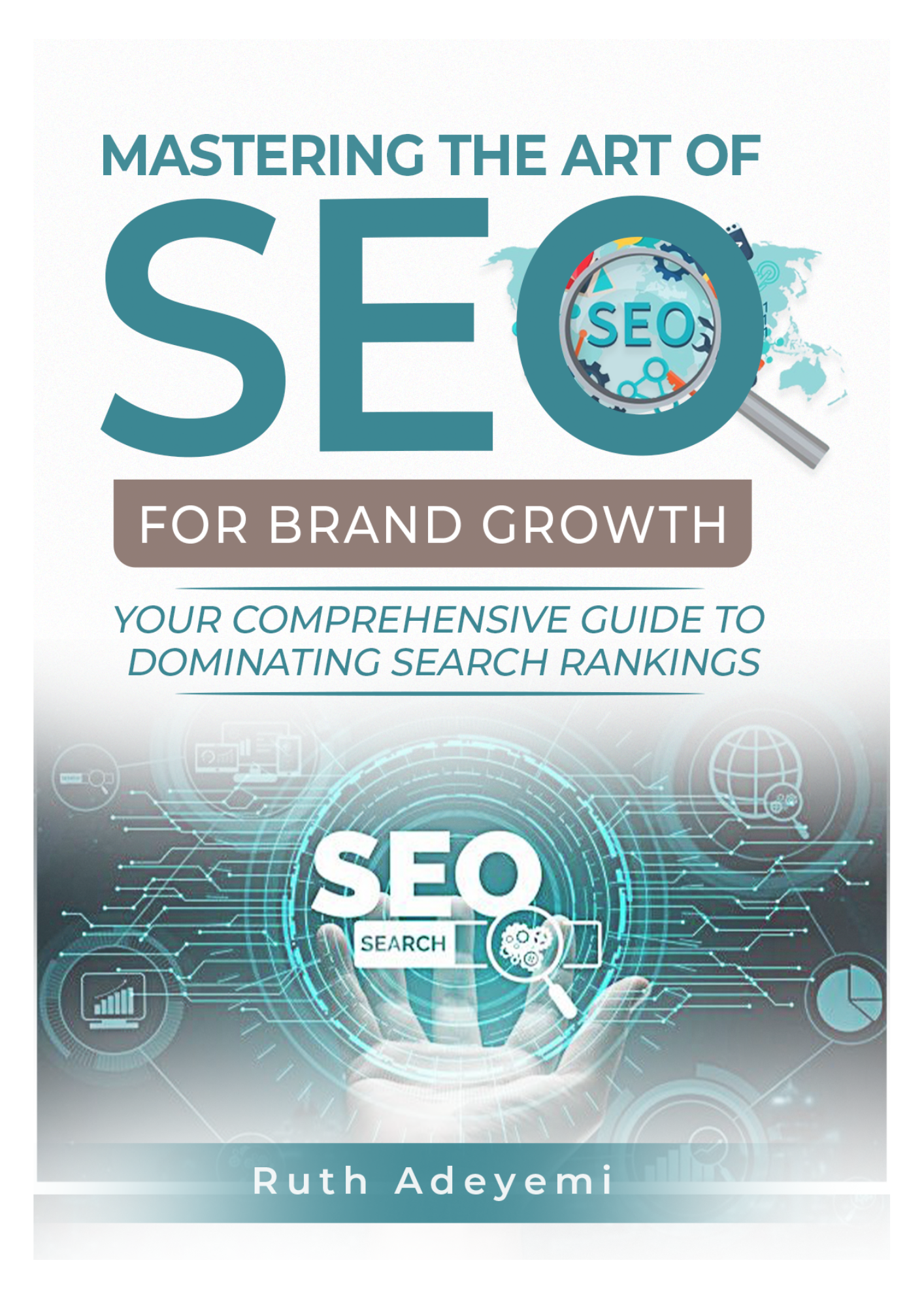
By Ruth Adeyemi – SARMLife
This book is written specifically for brand owners, bloggers, and service-based businesses and not SEO agencies.
It starts where you actually are: figuring out which keywords matter, how to structure content so Google understands it, and how to measure whether any of it is working.
It covers keyword research and content planning, on-page optimization, image SEO, voice search, advanced techniques for when you’re ready, and analytics without the overwhelm.
No coding. No fluff.
Honest take: This isn’t a neutral recommendation; it’s written by the same team behind this post. But if you’re a small business owner who’s tried other SEO books and bounced off the technical density, this one was built for exactly that gap. The positioning is brand-first, not developer-first.
Best for: Brand owners starting from scratch or stuck mid-journey
Book #2
They Ask, You Answer
By Marcus Sheridan — Wiley, Updated Edition
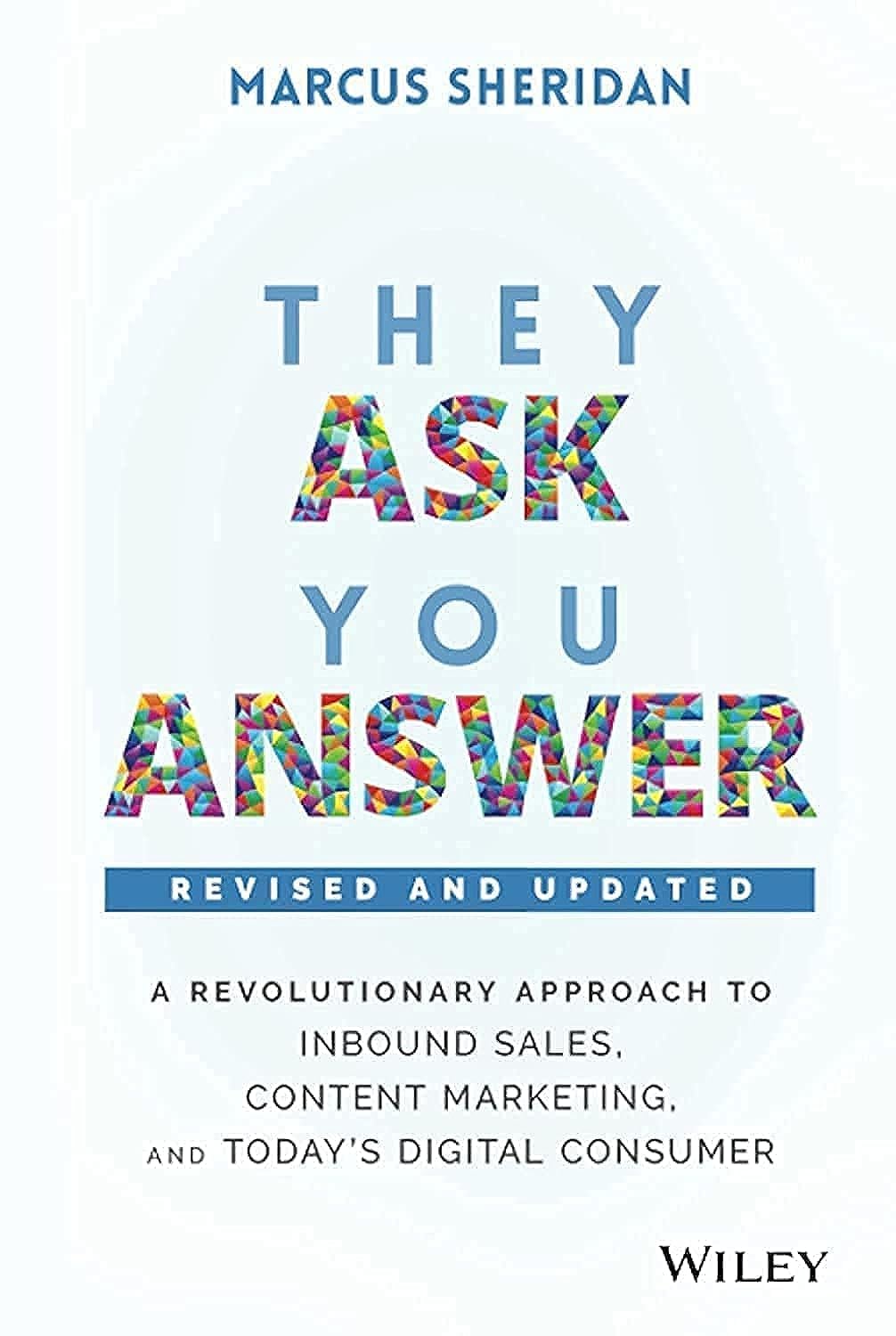
Not technically an “SEO book” per se, but it’s one of the most useful books you can read if you’re a small business owner trying to use content to grow. Sheridan built his pool company out of recession debt by answering customer questions honestly online. The result was massive organic traffic and revenue.
The framework is simple: your customers are already asking questions. Answer them better than anyone else on your topic, and search engines will reward you for it.
It’s the mindset shift that makes everything else, including keyword research, topic clusters, and content calendars click into place.
Best for: Business owners who need a reason to start before they learn the tactics
Book #3
Product-Led SEO
By Eli Schwartz
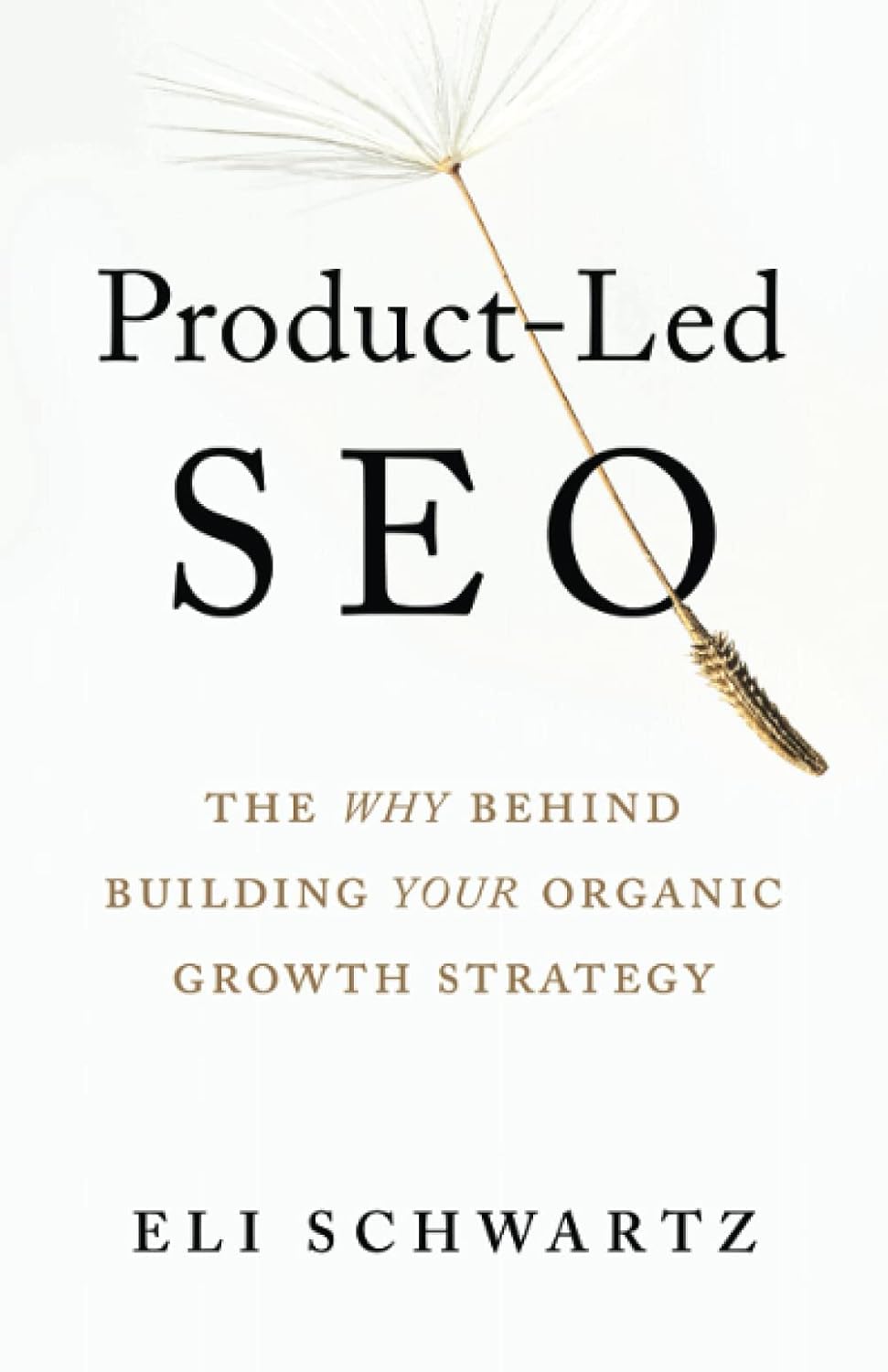
This one is for when you’re past the basics and asking bigger questions: How do I build an SEO strategy that actually ties to business goals? How do I think about SEO as a growth lever, not just a content chore?
Schwartz is a former SurveyMonkey growth lead, and the book reflects that lens (strategy over tactics, intent over keyword stuffing). It’s readable, clearly structured, and respects your intelligence without demanding technical depth. Best for business owners who are already doing SEO and want to think bigger.
Best for: Business owners with existing content who want a strategic framework
Book #4
SEO Fundamentals for Small Business Owners
By Dean Scaduto — Dino’s Digital
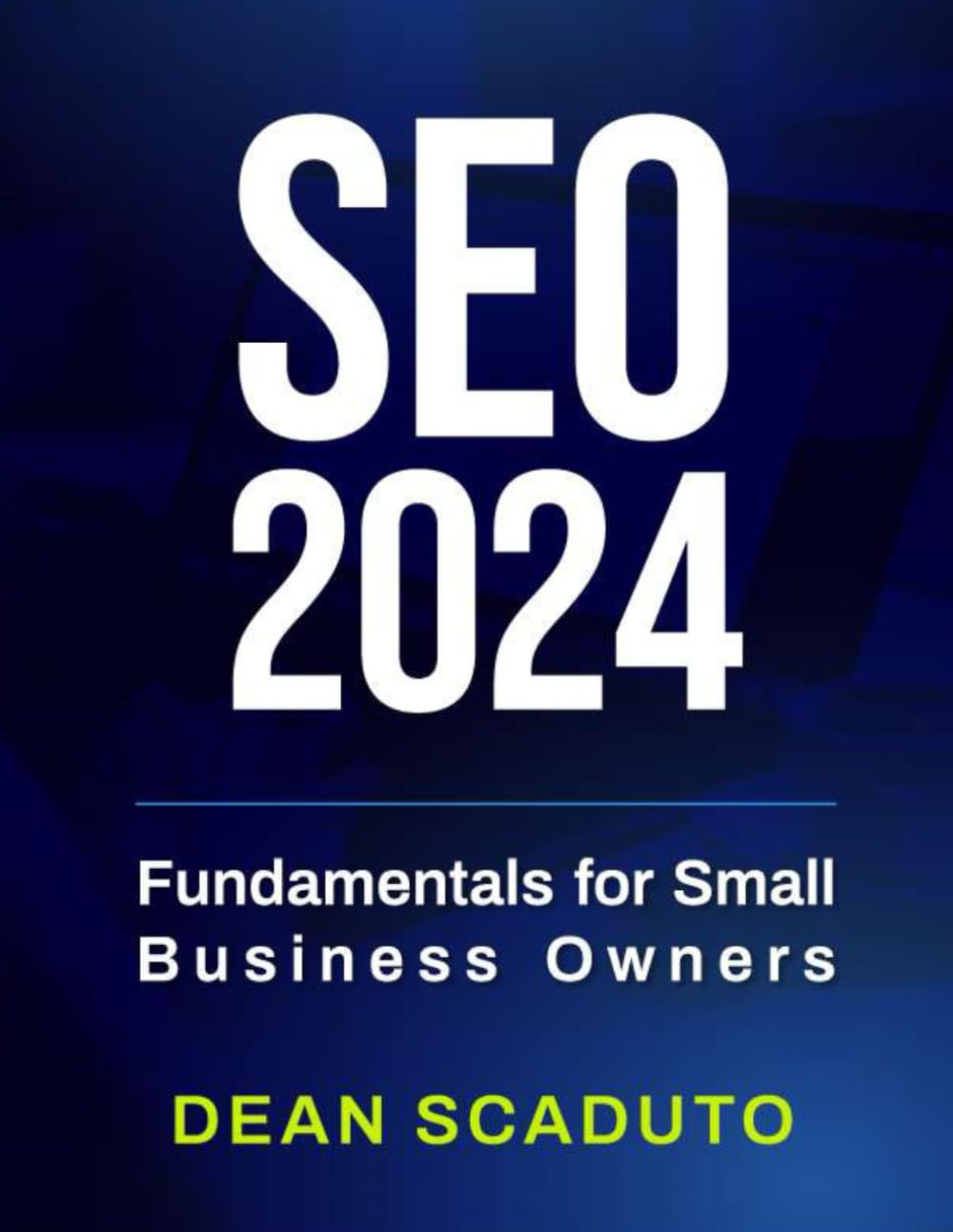
Written by Forbes NEXT 1000 entrepreneur Dean Scaduto, this book is one of the most accessible entry points for business owners who have heard “you need SEO” a hundred times but still aren’t sure what to actually do about it.
It’s concise and focuses on the fundamentals that apply whether you’re a dog groomer, a consultant, or a local service business.
Readers consistently praise it for getting to the point fast.
It won’t make you an SEO expert, but it will give you a clear enough foundation to ask better questions, understand what your agency is doing, or take your first real optimization steps yourself.
Best for: Complete beginners who want a fast, jargon-free SEO foundation
Book #5
The Art of SEO: Mastering Search Engine Optimization
By Eric Enge, Stephan Spencer & Jessie Stricchiola — O’Reilly, 4th Edition
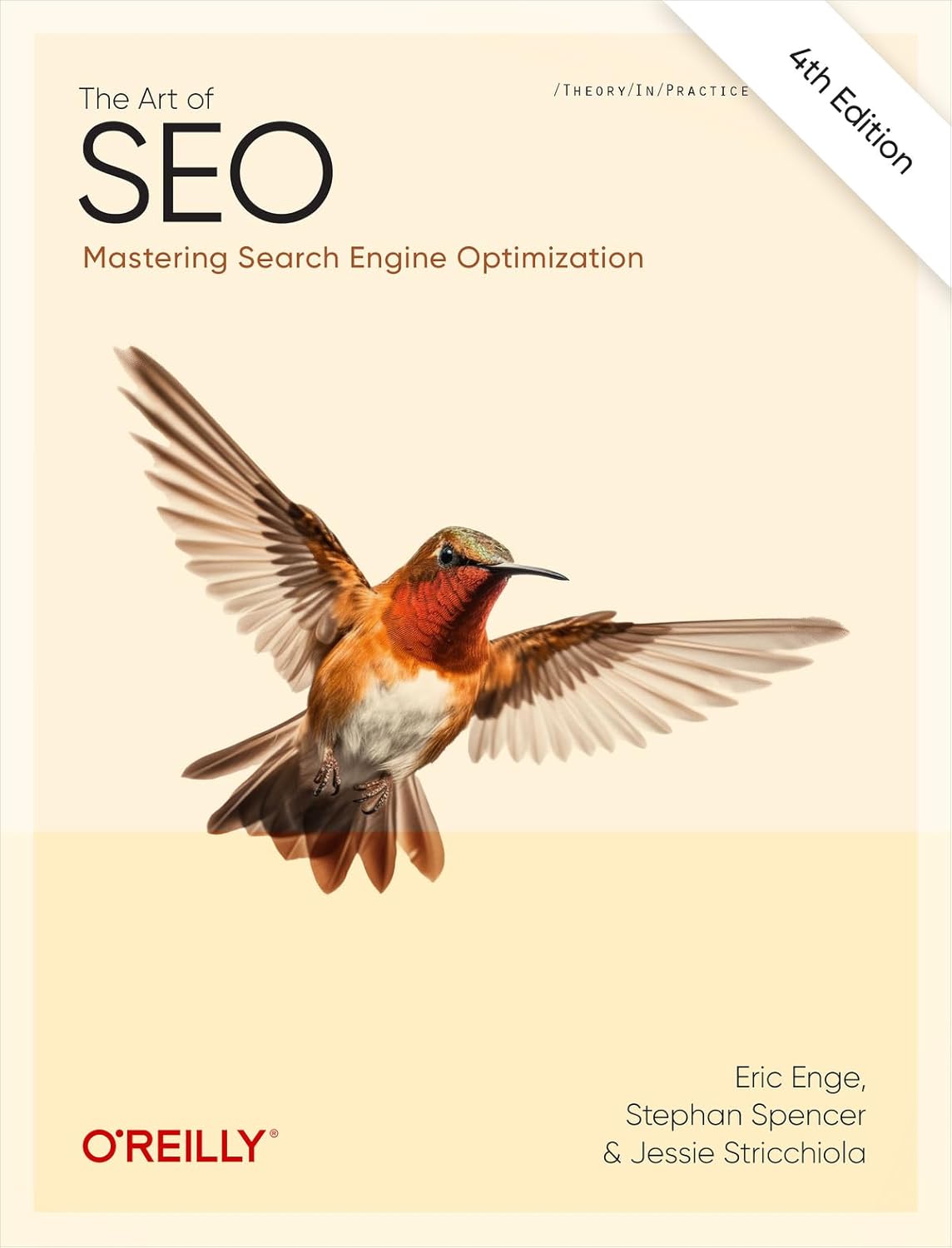
This is the book that almost every “best SEO books” list puts at #1 and it earns that reputation.
At nearly 1,000 pages, it’s the most comprehensive SEO reference available, covering everything from crawling and indexing to algorithm updates, advanced link building, analytics, and now generative AI’s role in SEO.
It’s included here with one clear caveat: this is not a beginner’s book.
For most small business owners, it functions better as a reference than a cover-to-cover read. If you’ve worked through a foundational book and want to go deeper on a specific area like technical SEO, content strategy, competitive analysis, this is the book to consult.
If you’re just starting out, start elsewhere.
Best for: Business owners who already have SEO basics and want a comprehensive expert-level reference
Book #6
SEO for Dummies
By Peter Kent — Wiley For Dummies, 7th Edition
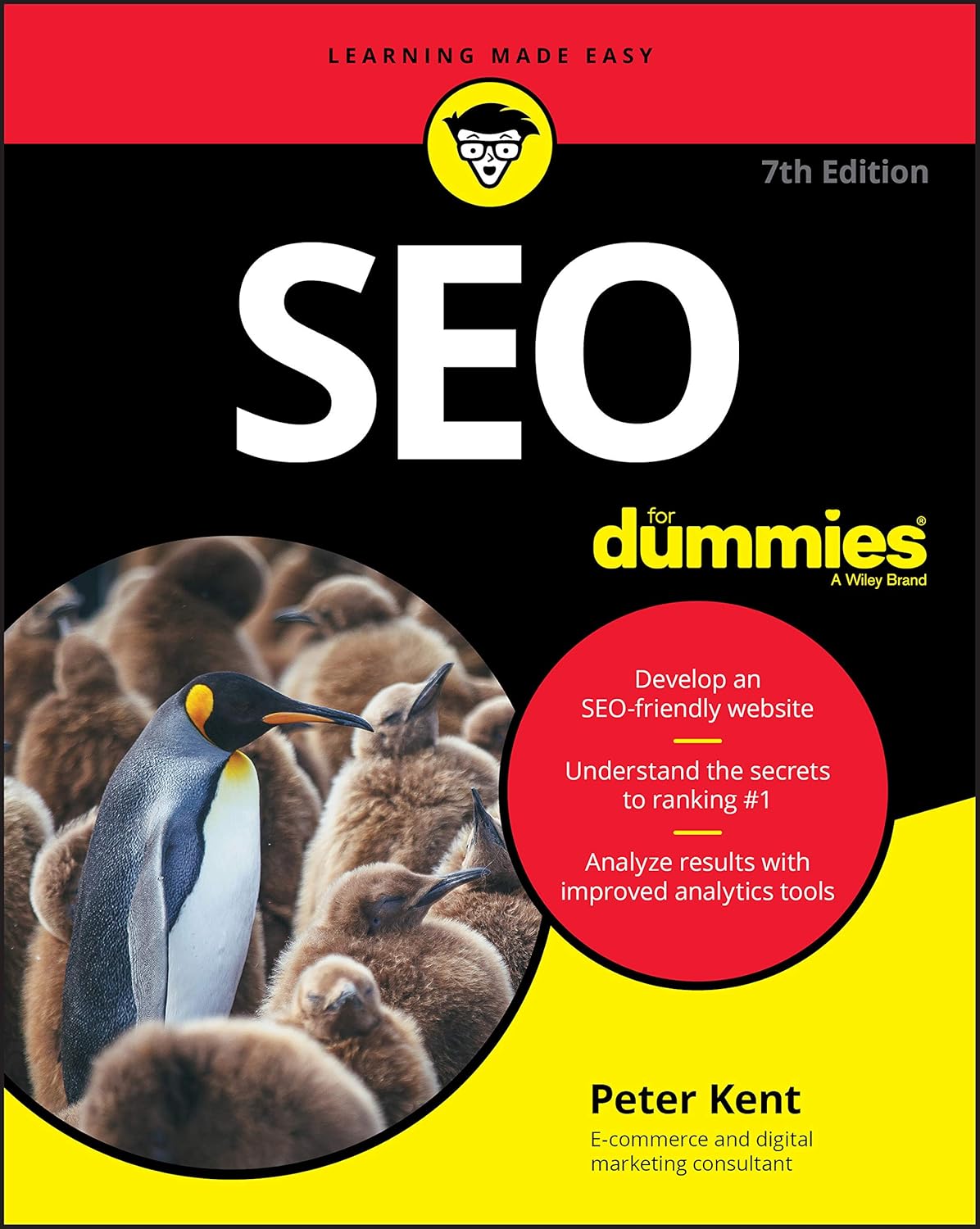
Peter Kent has been writing this book since 2003 and it’s now in its seventh edition for a reason.
It’s one of the most reader-friendly SEO books on the market, written for people with no technical background and no patience for jargon.
It covers how search engines work, keyword research using Google Keyword Planner, on-page SEO, sitemaps, link building basics, and how to use social media to support your rankings.
The honest truth: some reviews of the 7th edition note that certain tool recommendations feel dated. But the core content: how search engines think, what makes a page rank, why content quality matters is still sound. Use it as a foundation, not a final answer.
Best for: Absolute beginners who want a structured, plain-English overview of the full SEO landscape
Book #7
Local SEO Secrets: 20 Local SEO Strategies You Should Be Using NOW
By Roger Bryan — Digital Publishing Group
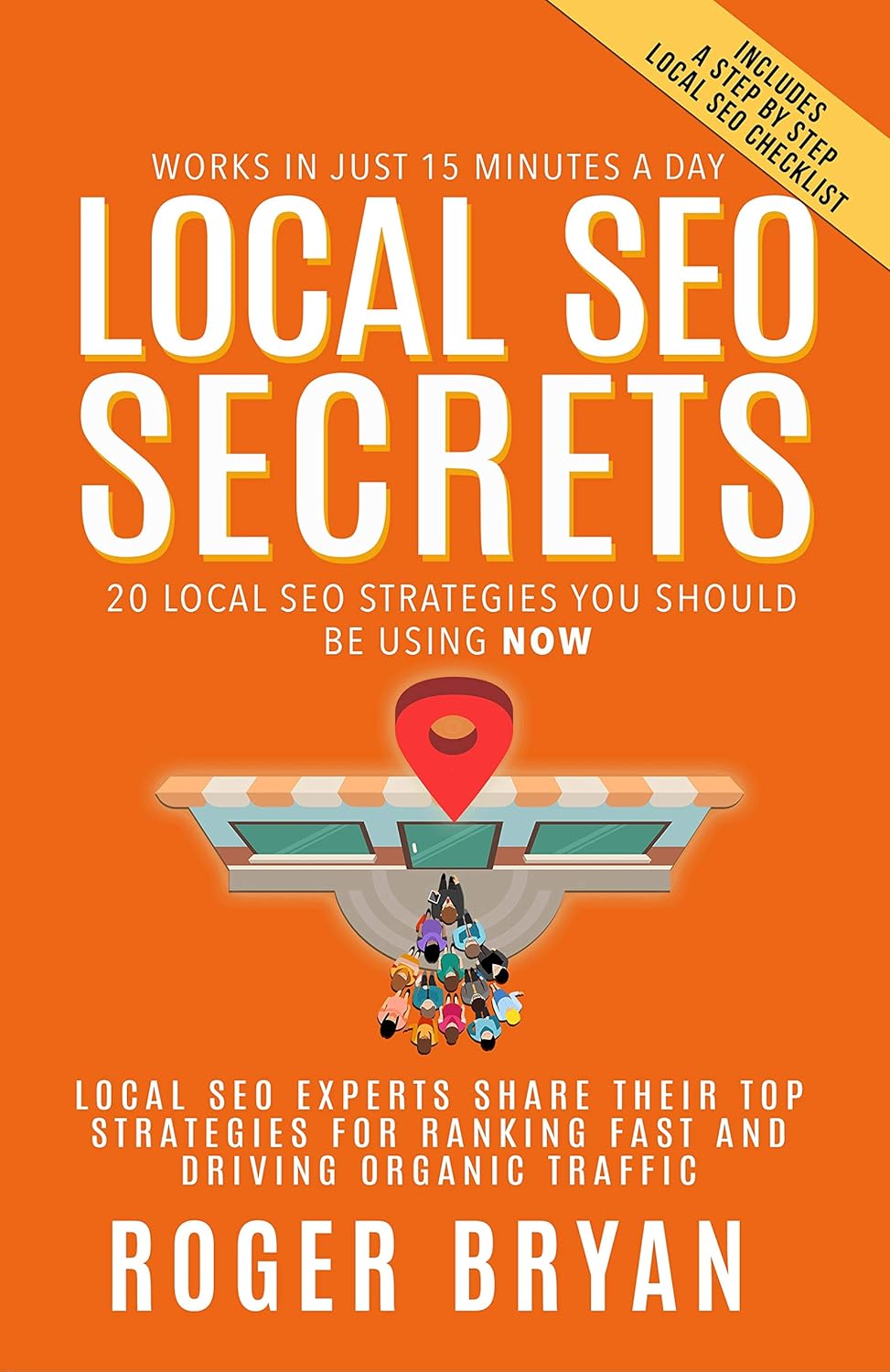
If your customers are local, you’re a service business, a brick-and-mortar, a clinic, a contractor, or any business that needs to show up in “near me” searches, this is one of the most practical books you’ll find.
Roger Bryan brings together top local SEO thought leaders to cover 20 proven strategies, including Google Business Profile optimization, local citations, eCommerce product pages for local visibility, PR as an SEO tool, and Google Local Services Ads.
It’s not like other theoretical SEO books, it’s a direct, strategy-first playbook. Each chapter is contributed by a different specialist, so you get a range of expert perspectives on what’s working right now in local search.
Pair it with SARMLife’s Local SEO service if you want professional support applying these strategies to your market.
Best for: Local business owners who need to rank in map results, “near me” searches, and Google Business Profile
Book #8
Mastering the Art of Blogging for Your Brand
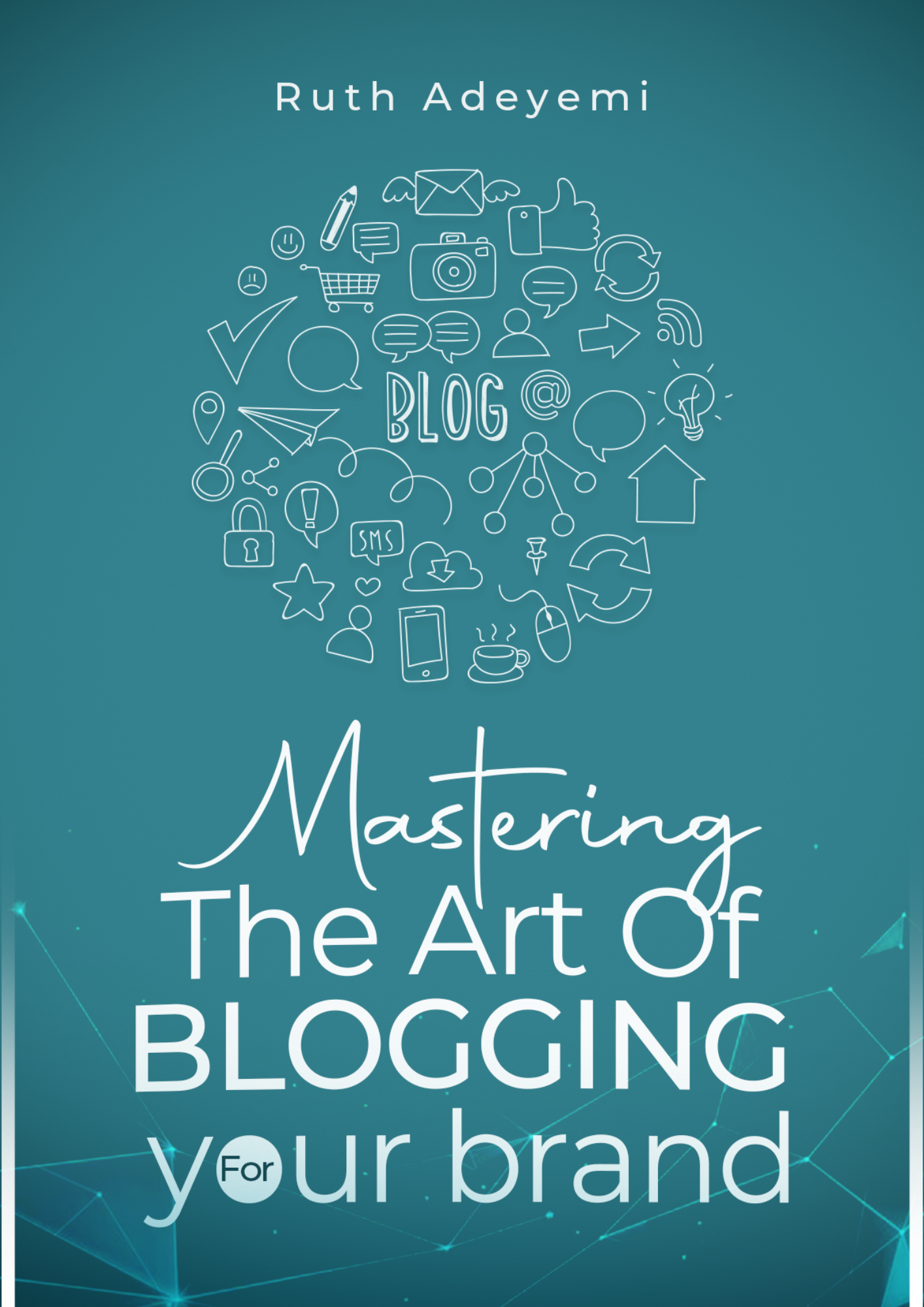
By Ruth Adeyemi — SARMLife
SEO and blogging are inseparable for small businesses. This companion book covers the content side of the equation: how to find your niche, what to write about, how to structure posts that keep readers engaged, how to monetize, and how to build consistency.
It’s packed with practical guidance that works whether you’re a brand-new blogger or someone who’s been publishing for a while without a clear plan.
Pair it with the SEO book above for a complete picture or grab the Book Bundle (both books, discounted) to get started.
Best for: Business owners who blog but haven’t seen results yet
Book #9
Ecommerce SEO Mastery: 10 Huge SEO Wins For Any Online Store
By Kristina Azarenko – MarketingSyrup
If you run an online store, this book was written specifically for you.
Kristina Azarenko is a recognized eCommerce SEO specialist with 10+ years of client experience and has been named one of the 13 women shaping the SEO industry. This 109-page eBook skips the theory padding and goes straight to practical wins namely, category page optimization, faceted navigation, product page structure, site architecture, and seasonal SEO strategies.
The strategies inside have helped her clients achieve results like a 5,400% increase in sales year over year and a 657% increase in traffic. Works across Shopify, WooCommerce, Magento, and other platforms: no platform-specific knowledge required.
Best for: Online store owners who want practical, proven eCommerce SEO wins without the fluff.
Prefer to start with a quick excerpt before committing? Get a free preview of Mastering the Art of SEO for Brand Growth — the SEO book written specifically for brand owners and small businesses. No tech background required.
Read the Book Overview Or grab the SEO + Blogging Book Bundle and save.
Book vs. Course vs. Hiring Help — How to Know Which One You Actually Need
This is the question nobody tells you to ask. Here’s the honest breakdown:
| Option | Best When | Limitation |
| Book | You’re building your mental model of SEO for the first time, or you want to verify what you know | No accountability, no feedback on your specific site or niche |
| Course | You understand the basics but aren’t seeing results. You need structure and guided application. | Requires time commitment; quality varies widely |
| Coaching / Done-For-You | You’ve tried learning and doing it yourself, but your time is better spent running your business | Higher investment; depends heavily on the right provider |
A common mistake: business owners buy three SEO books, read parts of two, feel informed, and never implement anything. Then they wonder why their rankings haven’t moved.
The honest answer? One good book read completely is worth more than five books half-read. And one structured course applied to your actual website is worth more than ten SEO books on the theory.
If you’re at the point where reading feels like delay, that’s the signal.
The SEO for Business Owners course is 7 days of structured, hands-on implementation built for exactly that stage. And if you’d rather hand the SEO work off entirely, SARMLife’s SEO writing service and SEO consulting are built for small and service-based businesses.
Quick self-test: If you can answer these three questions confidently — “What is search intent?”, “What keyword is this post targeting?”, “Why is this page not ranking?” — you’re past the book stage. Time for a course or professional support.
If you are unable to answer them correctly, you should start with the SEO book or the Book Bundle.
FAQs on Best SEO Books
-
Do SEO books go out of date?
Some parts do — tactics like exact keyword density rules shift constantly. But the fundamentals (search intent, on-page structure, content quality, E-E-A-T) have stayed consistent for years. A well-written SEO book from the last two to three years is still highly relevant. Look for books updated for AI-era search — that’s the biggest shift happening right now.
-
Can I learn SEO from a book alone?
Yes — but only up to a point. Books are excellent for building your mental model of how SEO works. The gap shows up when you need to apply it to your specific site, niche, and goals. That’s where a structured course or coaching fills in what a book can’t. Start with a book to get the foundation, then graduate to hands-on learning.
-
Which SEO book is best for someone with no tech background?
Mastering the Art of SEO for Brand Growth is specifically written for brand owners and non-developers. It covers keyword research, on-page SEO, content strategy, and analytics without any coding requirement.
-
Should I buy a book or take a course?
Both serve different purposes. A book gives you the framework and strategy at your own pace. A course gives you structured, step-by-step instruction with accountability. If you’re completely new, start with a book. If you’ve read the basics and aren’t seeing results, a course or coaching is the better investment. The Content SEO Made Easy course is a strong next step after finishing an SEO book.