

Some people may think learning how to write meta descriptions for SEO is a useless and time-wasting task because Google often replaces manually written meta descriptions with automated ones generated from your content when presenting search results to users.
So, why do you need to learn how to write meta descriptions?
Well, there is no such thing as too much SEO.
If you’re trying to build your online presence on search engines, you should be willing to exploit all avenues to increase your ranking on search engine results pages (SERPs) and direct more traffic to your website.
There have been constant updates in Google’s search technology, including how meta descriptions appear in different search queries; what happens when Google goes with your meta description instead of one generated from your content? You’re left with no meta description, significantly reducing your chances of searchers going to your website for answers to their queries.
If you are still interested in learning how to craft attractive meta descriptions for your website, this is your cue to stay and read on.
What Are Meta Descriptions?
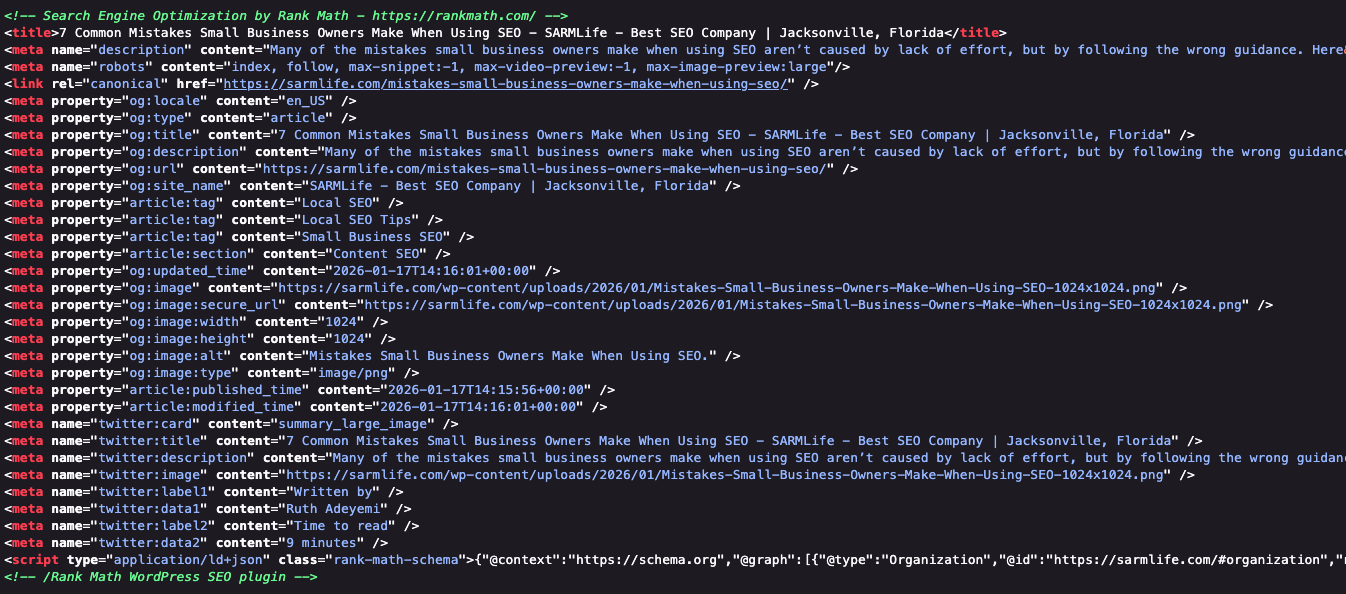
Meta descriptions are summaries or snippets that provide insight into a web page’s content.
They typically appear in search engine results pages (SERPs) beneath the page’s title and URL. These meta descriptions give users a preview of what they can expect to find on the linked page and play a crucial role in attracting clicks from search engine users.
Do you still need clarification?
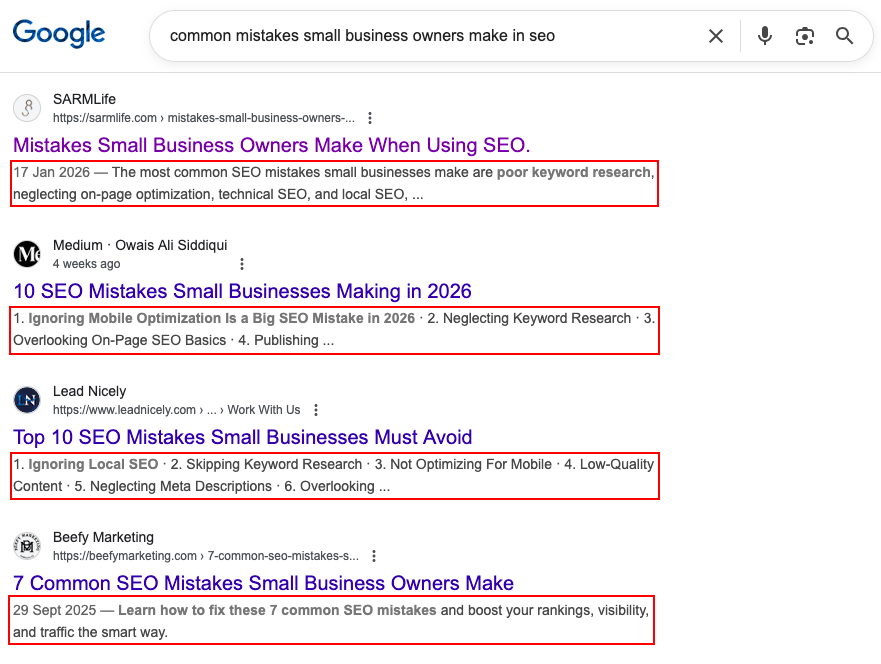
See those tiny body of texts under the URL and title? Those are meta descriptions!
RELATED POSTS:
Why Have a Meta Description on Your Posts?
There are different benefits of having a meta description for your posts. Here are some reasons you need to learn how to write meta descriptions:
a. Improved search engine visibility
An engaging and relevant meta description can entice users to click on your link, increasing your click-through rate (CTR). Meta descriptions can include keywords related to your content.
Search engines often highlight these keywords in the search results, making your listing more attractive to users searching for specific terms.
Think of your meta descriptions as the welcome sign to your website, almost like a shop’s front door; people see them first on search engines, so make them catchy!
b. Increased click-through rate (CTR)
Click-through rate is one of the most important metrics to monitor, and an increase in this leads to more traffic for your website, which is the goal of any website. Meta descriptions are a great way to raise your click-through rate by grabbing your reader’s attention on SERPs.
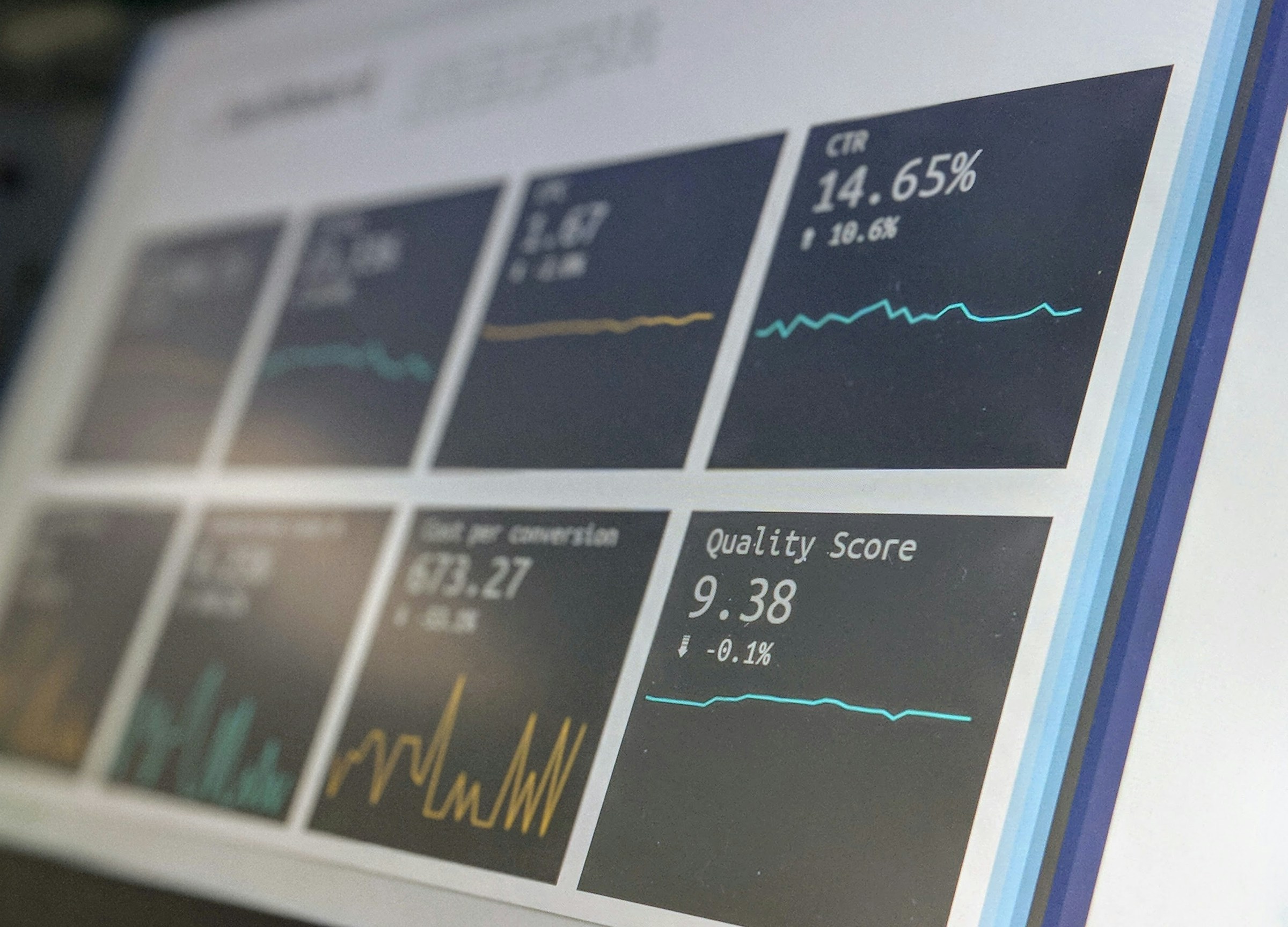
Photo by Stephen Dawson on Unsplash
c. Enhanced user experience
Meta descriptions help readers quickly assess whether your page has the information they want, improving the overall user experience. When users find your content relevant to their search query through an eye-catching meta description, they are more likely to stay on your page, reducing the bounce rate (the percentage of users who leave your site immediately after arriving).
What Makes a Great Meta Description?
Before the nitty gritties of learning how to write meta descriptions, let’s take a look at why they are so important.
a. Length and character limit
Like many other search engines, Google typically displays meta-descriptions between 150 and 160 characters, including spaces in search results. However, it’s important to note that search engines may truncate longer descriptions, so it’s best to aim for 155 characters.
b. Keyword placement
Include relevant keywords that users are likely to search for. Place important keywords toward the beginning of the meta-description, but avoid keyword stuffing, as it can negatively affect your SEO. Doing keyword research on platforms such as Ubersuggest may help when trying to put keywords into your meta descriptions.
c. Clarity and relevance
An excellent meta description is concise. It should provide a clear and brief summary of what the page is about, allowing users to understand its content quickly.
Avoid using technical jargon or industry-specific terms that might confuse users. Use language that the average person can easily comprehend.
Also, ensure the meta-description aligns with the user’s search intent. Your description should hint at informative content if a user seeks information. If they seek a product, emphasize its features and benefits.
Great meta descriptions strike a balance between clarity and relevance. Clarity ensures that users understand what the page is about, while relevance ensures they find the information or solutions they want.
d. Call to action (CTA)
A CTA provides clear instructions to the user on what to do next. It can guide them toward the desired action, whether clicking on the link, signing up, making a purchase, or any other action you want them to take on your website.
A well-crafted CTA can make your meta description more engaging and persuasive. It encourages users to interact with your content, increasing the likelihood of a click-through. Using words like “Now,” “Today,” or “Limited time offer” in your CTA can create a sense of urgency, motivating users to take immediate action.
Ensure your CTA is directly related to the content and purpose of the page. Misleading CTAs can lead to high bounce rates and damage your website’s credibility.
How to write meta descriptions for SEO in 2026
Here are my top tips on how to write meta descriptions in 2026:
a. Research your keyword.
Keyword research is the backbone of any SEO strategy. Researching what your readers are most likely to type in a search engine’s search bar using tools such as Ubersuggest, Google Trends, Google Search Console, AnswerThePublic, etc., is crucial to forming a good and attractive meta description.

Photo by Austin Distel on Unsplash
Knowing what your readers will most likely want and putting it front and center for them to see in your meta description will increase your website’s traffic for that particular query.
However, it can be highly detrimental to include keywords unrelated to a potential user search query as they may interpret it as you do not have content on your website relevant to what they want.
b. Use action-oriented language (use active voice).
Using action-oriented language in an active voice is an excellent approach for meta descriptions. It can make your meta descriptions more interactive and encourage users to take whatever action your website wants them to.
When creating action-oriented meta descriptions in an active voice, focus on verbs and phrases that drive users to take specific actions.
Ensure the language aligns with the content and purpose of the linked page, and keep the descriptions concise within the character limit to maximize their impact on search engine results.
c. Evoke curiosity.
Although your meta description gives a brief insight into your website’s description, don’t forget that the primary goal of a meta description is to get the searcher to click on your URL and consume your content. Curiosity plays a role here.
Eliciting curiosity in your meta descriptions is a powerful strategy to entice users to click on your search results. When users are curious about what lies behind the link, they are more likely to click through to your page.
Here are some tips for crafting meta descriptions that evoke curiosity:
I. Make it a question format.
For example, “How do you write a meta description?” Or “Do you want to know the secret to financial success?”
ii. Give a hint of what the page entails.
Let your readers know what your page is about. For example, “Find out the simple hack to increase your website traffic” or “Discover the trick that will elevate your productivity.”
iii. Use captivating language.
Use descriptive and intriguing language that makes your readers want to know more. For example, “Explore the amazing world of ancient civilizations.”
iv. Emphasize the unusual or unique.
Try to capitalize on unexpected and unique things about your content. What makes your content stand out? Why should your readers click on your content and stay glued to it?
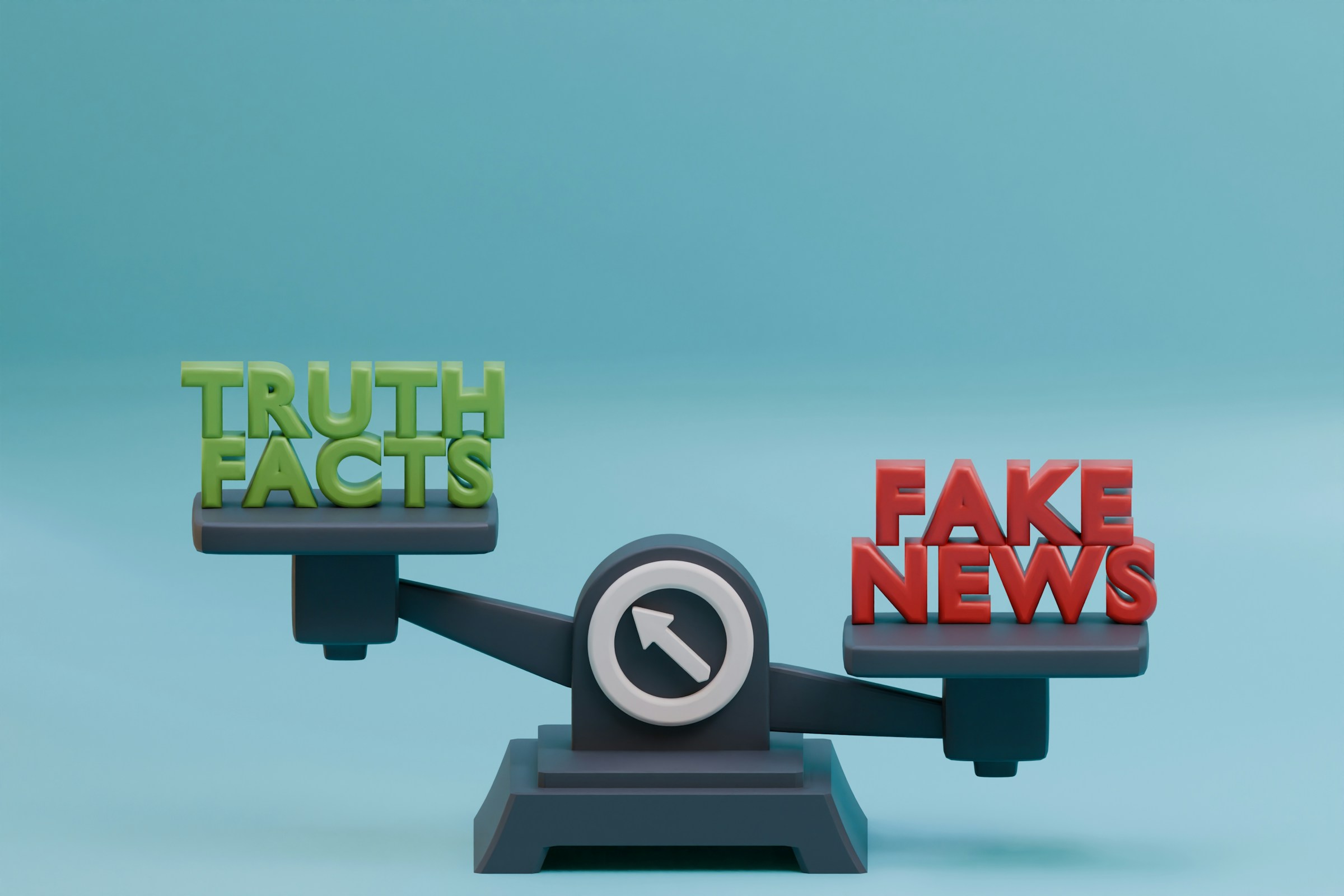
Photo by Hartono Creative Studio on Unsplash
d. Avoid using clickbait.
It’s important to avoid using clickbait tactics in your meta-descriptions. Clickbait may initially attract clicks, but it often leads to a poor user experience and can damage your website’s credibility.
Here are some guidelines on how to write meta descriptions without using clickbait:
i. Be accurate and honest.
Ensure your meta description accurately represents the content of the linked page. Don’t promise something the page doesn’t deliver.
ii. Avoid exaggeration.
Refrain from using exaggerated or hyperbolic language that misrepresents the content. Maintain a realistic tone.
iii. Don’t mislead.
Avoid misleading users with false claims or sensational statements. Honesty is vital to building trust with your audience.
e. Do A/B testing for your meta descriptions.
A/B testing, or split testing, is an effective way to optimize your meta descriptions for improved click-through rates (CTR) and user engagement.
A/B testing for meta descriptions can help you adjust your messaging to better resonate with your target audience. It allows you to make data-driven decisions to improve user engagement and ultimately drive better results for your website.
A/B testing for meta-descriptions involves creating two or more variations of a meta-description for a specific web page and comparing their performance to determine which one is more effective regarding click-through rates (CTR) and other relevant metrics.
Good vs Bad Meta Descriptions (Example Table)
One of the fastest ways to understand how to write meta descritions for SEO is to compare strong meta descriptions with weak ones.
Here are clear examples:
Good vs Bad Meta Description Examples
| Scenario | Bad Meta Description | Why It Fails | Good Meta Description | Why It Works |
|---|---|---|---|---|
| Blog post about SEO tips | SEO tips for your website. Learn more here. | Too vague, no value, no hook | Learn practical SEO tips that improve rankings, traffic, and click-through rate in 2026. | Clear benefit, time relevance, keyword-rich |
| Product page | Buy shoes online at the best price. | Generic, no differentiation | Shop lightweight running shoes with free delivery and 30-day returns. | Specific, benefit-driven, persuasive |
| How-to guide | Learn how to write meta descriptions. | Doesn’t explain why or who it’s for | Learn how to write meta descriptions for SEO that improve rankings and increase clicks. | Matches search intent and target keyword |
| Service page | We offer digital marketing services. | No USP, no CTA | Get data-driven digital marketing services that grow traffic, leads, and revenue. | Clear value proposition |
| Local business | Best restaurant in Lagos. | Keyword stuffing, no context | Enjoy freshly prepared local and continental dishes in Lagos, available for dine-in and delivery. | Natural language + local relevance |
Meta Description Templates
Below are proven meta description templates you can adapt based on user intent and page type:
– Informational Intent (Learning / How-To)
How-To Template
Learn how to [action] using [method] to achieve [result]. Step-by-step guide for beginners.
Educational Template
Discover what [topic] means, why it matters for SEO, and how to apply it effectively in 2026.
Beginner-Friendly Template
New to [topic]? Learn the basics, best practices, and common mistakes to avoid.
– Commercial Intent (Considering Options)
Comparison Template
Compare the best [tools/services] for [goal], including features, pricing, and use cases.
Solution-Oriented Template
Looking for a better way to [solve problem]? Learn proven strategies that deliver results.
Benefit-Driven Template
Improve your [metric] with [solution] designed to increase performance and efficiency.
– Navigational / Brand Intent
Brand Authority Template
Explore expert insights from [brand] on [topic], backed by real-world experience.
Trust-Building Template
Trusted by professionals, learn how [brand] helps users achieve [result].
– Transactional Intent (Ready to Act)
Conversion-Focused Template
Get [specific product or service] designed to help you [primary benefit]. Start today.
Urgency Template
Upgrade your [process] with tools built for speed, accuracy, and growth.
– Local & Niche Intent
Local SEO Template
Discover [service] in [location] with flexible options, transparent pricing, and expert support.

Photo by Roberto Cortese on Unsplash
Niche Audience Template
Designed for [specific audience], learn how to [goal] without wasting time or resources.
You can edit and swap the above examples as needed for your website SEO, but remember to stick to the guidelines above.
Common Mistakes When Writing Meta Descriptions
a. Stuffing keywords
Website or blog managers stuff many relevant keywords into their meta description to appear relevant to the searchers’ query. The downside is that it may make your website seem spammy. Instead, use keywords naturally and create a meaningful description that entices users to click.
b. Duplicating meta descriptions
Each page on your website should have a unique meta-description. Using the same description for multiple pages can confuse search engines and users.
c. Ignoring character limits
Search engines typically display meta descriptions in search results with a specific character limit (usually around 150-160 characters).
If your meta description exceeds this limit, it will be trimmed, and users will see an incomplete or disjointed description, making your website appear unprofessional and less trustworthy.
On mobile devices, character limits are even more critical because screen space is limited. Ignoring character limits can lead to severe truncation issues on smaller screens, affecting the mobile user experience.
It’s crucial to adhere to character limits to ensure your meta descriptions are compelling and provide a positive user experience.
Keeping your descriptions concise, within the recommended limit, and well-structured will help you convey the most relevant information to users and improve your website’s performance in search engine results.
FINAL THOUGHTS
Writing compelling and eye-catching meta-descriptions is vital for anyone looking to boost their website’s visibility in search engine results and attract more organic traffic.
By avoiding common pitfalls such as stuffing keywords, duplicating meta descriptions, and ignoring character limits, you can create meta descriptions that entice searchers, improve your site’s click-through rates, and reduce bounce rates.
Remember that meta-descriptions are a technical SEO element and your virtual elevator pitch to potential visitors. Each click and visitor could turn into a customer or a client, so ensure you go all in with it.
And there’s no such thing as too much SEO, so go ahead and revisit your website’s meta descriptions, make the necessary improvements, and watch your click-through rates rise.
The power to boost your site’s visibility is in your hands. Seize the opportunity and make every meta description count!
How often do you optimize your meta descriptions for SEO?
READ ALSO: 14 Powerful Tips on How to Write a Blog Post that Engages – SARMLife