
Local SEO ranking factors are the signals search engines use to decide which businesses appear in local search results, the Local Map Pack, and AI-generated answers for local searches.
In simple terms, these factors help the algorithm decide whether your business is trustworthy, relevant to the search, and close enough to serve the customer. It’s like the grading system for businesses.
The most important local SEO ranking factors include:
- Google Business Profile optimization
- Reviews and reputation signals
- Citation consistency
- Local backlinks
- On-page and content relevance
- User engagement and behavioral signals
- Business proximity to the searcher
When the signal from these factors are strong and consistent, your business becomes far more likely to appear when people search for similar services in your area.
In 2026, local search has evolved significantly. Over 80% of consumers search for local businesses online at least once a week, and nearly three-quarters of “near me” searches result in an in-person visit within 24 hours.
The question now is: “how can you make certain that your business appears in front of these 80% of customers?”
Ranking for local searches is no longer based only on keywords or directories alone. They still play significant roles, but implementing them alone will not get you far in this new era.
Modern search algorithms now evaluate your business activities, interactions with customers and context before recommending your business.
This means local SEO is now less about simply being listed online and more about proving that your business is the best available option at the exact moment someone searches.
Every day, millions of searches include local intent; phrases like near me, city names, or service-based queries. These searches often lead to immediate actions such as calls, bookings, or store visits.
Businesses that understand and optimize the right ranking signals consistently capture these high-intent customers before competitors do.
The local SEO ranking factors that will be discussed in this post includes the signals that affect prominence, relevance, and proximity which are the three core systems that shape local rankings.
You will also learn how AI-driven search, voice queries, and zero-click results are changing how businesses are discovered locally.
RELATED BLOG POSTS
- 7 Common Mistakes Small Business Owners Make When Using SEO – SARMLife
- 15 TOP LANDING PAGE OPTIMIZATION BEST PRACTICES YOU NEED – SARMLife – Best SEO Company | Jacksonville, Florida
- 5 Importance of Blog Marketing for Business Growth – SARMLife
- Benefits of Blogging for Business in 2025
What is local SEO?
Local SEO (local search engine optimization) is the process of optimizing your business’s online presence to become the best match for relevant, location-based queries from an active searcher.
This means that you have been able to optimize your business’s online profile to build trust, relevance and real-world credibility.
Local SEO tells Google three things about your business:
- You are real and trustworthy
- You offer exactly what the person is searching for
- You are close enough to serve them
Local SEO in 2026
Local SEO in 2026 is no longer about ranking pages and being on Google Business Profile alone; it is about local entity building in regards to SEO.
A few years back, local SEO wins looked like being listed in the top 3 Google Map Pack results or appearing in the search engine result page for your optimized keyword.
For example: “Plumbing services in Jacksonville”.
However, in 2026, local SEO wins look like this:
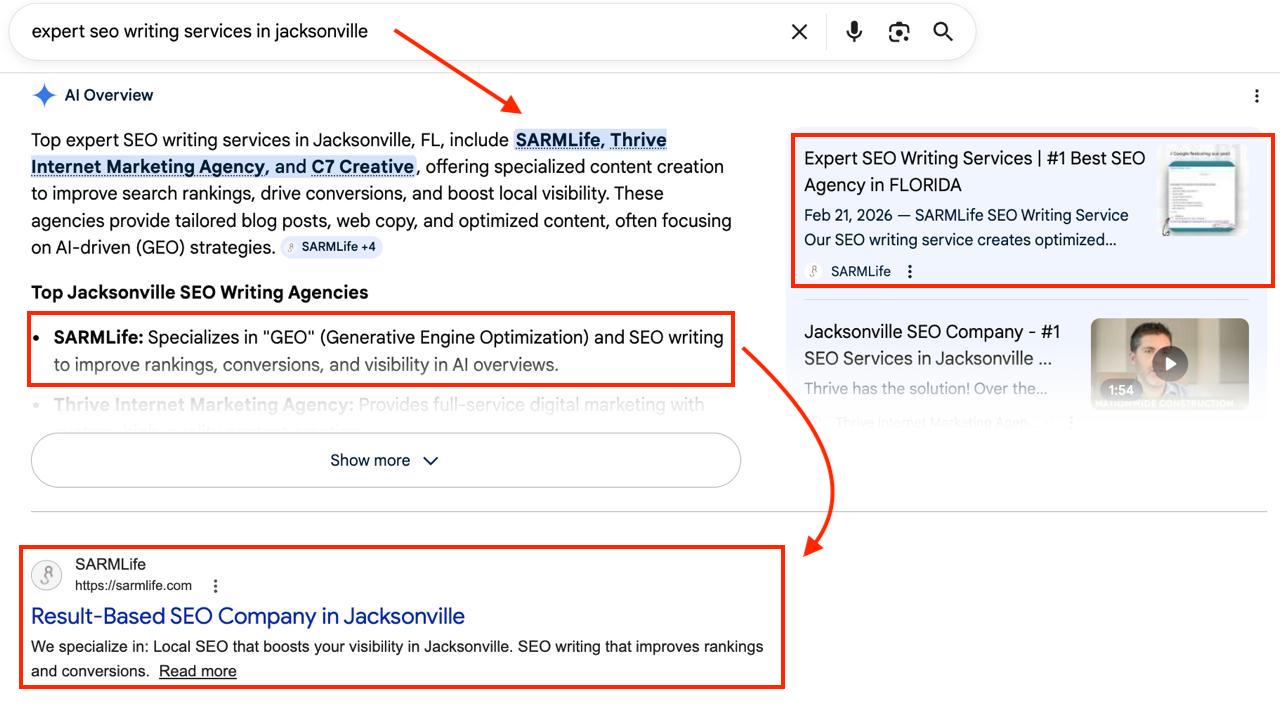
Becoming recognized by AI models as a trusted business to the point where it recommends you to its users.
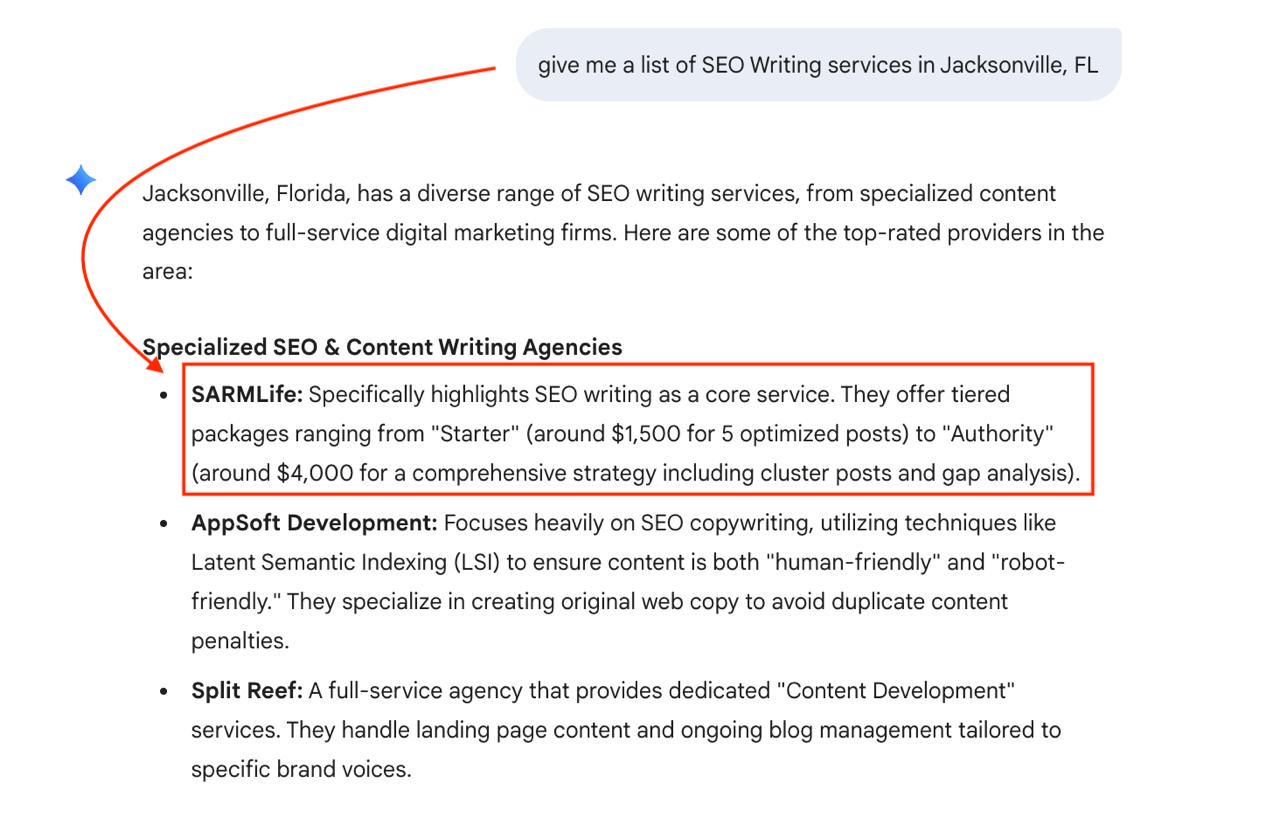
For example: asking Gemini for ‘a list of SEO writing services in Jacksonville’ and your business gets recommended.
How do AI models do this?
AI models conduct a full analysis of your business using data from your website, your Google business profile, reviews, directories, media mentions, user behavior, and real-time activity.
When this information is consistent and reliable, they will recommend your business in search results, maps, Chatbots and AI Overviews.
In short, Local SEO in 2026 is the process of shaping how AI models understand, trust, and recommend your business to location-based searches.
Local SEO Before vs. Now
| Feature | BEFORE | NOW |
| Core Focus | Keywords & Links: Matching exact text to search queries. | Entities & Meaning: Defining a unique, verifiable identity. |
| Strategy | Citation building: Relying on directories (Yelp, Yellow Pages) for NAP. | Semantic content & Topic clusters: Feeding Google’s brain with relational data. |
| Ranking Goal | Local Map Pack Ranking: Aiming for the Top 3 map results. | Trusted Answer in AI search: Being cited by AI chatbots |
| Primary Tool | Keyword Research: Finding high-volume search terms. | Schema Markup: Using code to explain what your business “is.” |
| Metric | Star Ratings: Getting high star ratings regardless of context. | Context, Sentiment & Authority: Getting attributes (specific services and features) to your reviews to help AI understand the context and sentiment behind it. |
| Linking Strategy | Backlinks: Acquiring links to pass PageRank. | Co-occurrence: Being mentioned alongside related local landmarks/topics. |
| Trust Signal | NAP Consistency: Having the same address everywhere. | Entity Confidence: How sure Google is that your data is factual. |
| Search Intent | Explicit: Responds to “Pizza near me.” | Implicit/Predictive: Responds to “Quiet dinner spots with a view.” |
| AI Compatibility | Low: LLMs struggle to verify facts from keywords alone. | High: Designed for AI to understand and summarize your brand. |
| Scope | Geographic: Restricted to specific town/city keywords. | Topical: Establishes you as an authority in your niche globally + locally. |
| Longevity | Fragile: Rankings can drop if keywords change or lose volume. | Durable: Once an entity is verified, the identity remains stable. |
NOTE: Local SEO now doesn’t abolish how it was done before, but it combines the old strategies with the new ones.
Businesses that invested in good local SEO practices years back are now being rewarded as they see results faster than businesses that didn’t.
The 3 Core Pillars of Local SEO Ranking
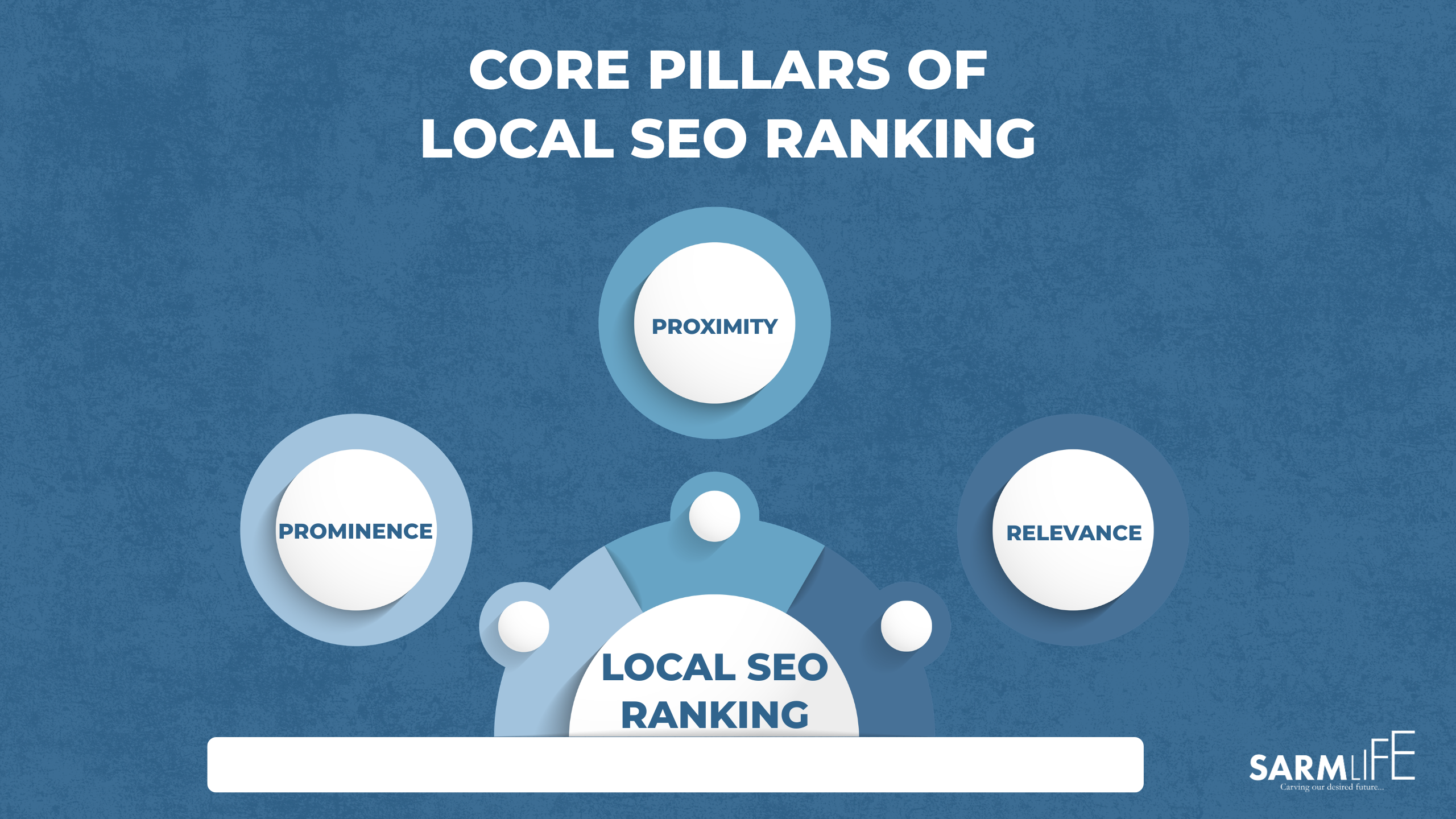
According to Google, local search visibility is determined by three core pillars: relevance, prominence, and proximity. These are the foundation behind all local SEO ranking factors.
Every optimization you make; reviews, citations, content, or backlinks either strengthens or weakens one of these signals.
If you notice your business move up in local search results, it usually means one of these pillars improved compared to your competitors.
PROMINENCE (Authority & Trust)
Prominence is Google’s measure of trust, popularity, authority, and real-world importance.
Prominence reflects how well-known and credible your business appears online. Among all local SEO ranking factors, this is where authority signals play the biggest role.
Search engines evaluate prominence using signals such as:
- Review quantity, quality, and consistency
- Backlinks from trusted websites
- Brand mentions across the web
- Local directory citations
- Overall online reputation
Businesses with stronger authority signals are more likely to appear in both the Local map pack and AI-generated search results.
RELEVANCE (Intent Match)
Relevance determines how closely your business aligns with what the user is searching for. In simple terms, it is based on the question: “Is this business actually what the searcher wants?”
This is one of the most controllable local SEO ranking factors because it depends largely on how clearly you communicate your services.
This core pillar of local SEO ranking is influenced by:
- Google Business Profile categories
- Service and product descriptions
- Website content and service pages
- Local keywords and topical coverage
- Structured data and business information
The clearer your business positioning, the easier it is for search systems to understand when to show you.
PROXIMITY (Distance to the Searcher)
Proximity refers to how physically close your business is to the person performing the search.
This is one of the most influential local SEO ranking factors, especially for searches with strong local intent such as “near me” queries.
If multiple businesses have similar relevance and prominence signals, the one closest to the searcher’s location is more likely to rank higher.
Because proximity cannot always be changed, successful local SEO strategies focus on strengthening relevance and prominence to compete effectively across a wider geographic area.
23 Local SEO Ranking Factors
PROMINENCE
1. Google Business Profile (GBP) Completeness & Activity
Your Google Business Profile is the strongest prominence signal you should have. Google reads it to decide:
- what your business is
- whether it’s legitimate
- whether users value it
- whether it deserves front-page visibility.
Complete, accurate, verified profiles that post updates, upload high-quality photos, and respond quickly to reviews and messages signal a live, active and trustworthy business.
However, incomplete, outdated, or inconsistent profiles lack trust and lose competitive visibility.
2. GBP Verification
It is not enough for you to just create and optimize your profile, you need to verify your GBP listing.
To verify your Google Business Profile (GBP) listing, you need to confirm to Google that you own or manage the business. The available verification methods can vary depending on the business type, location, and history of the listing.
How to Verify a Google Business Profile Listing:
- Sign in and Claim the Business
- Go to your Google Business Profile manager.
- Search for your business name.
- Select the correct listing.
- Click Claim this business or Get verified.
- Choose a Verification Method: Google will show the methods available for your listing. Common options include:
- Video Verification (Most common now)
- Phone or SMS Verification
- Email Verification
- Postcard Verification
- Live Video Call
- Enter the Verification Code
Once you receive the code and enter it, your listing becomes verified once approved.
Verified listings are trusted and visible in competitive areas while unverified ones are often excluded from the Local Pack and AI summaries. Hence verification is a non-negotiable anchor point.
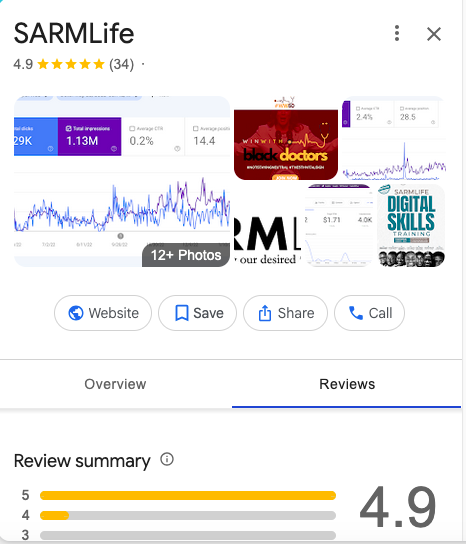
3. Reviews
Reviews are public proof of legitimacy and popularity. Google evaluates:
- Number of reviews
- Average rating
- Recency and velocity of the reviews
- Semantic content in review text
- Attributes of the review – To understand the context and sentiment of the review.
- Post-review behaviour.
Rich, positive, and fresh reviews increase prominence and AI matching whereas sparse, outdated, or negative reviews suppress prominence.
NOTE: Online review management isn’t just about positive reviews, but also how you respond to the negative ones.
4. Backlinks
Backlinks remain one of the strongest authority-based local SEO ranking factors. They are authority endorsements from other websites pointing to your business.
When trusted local organizations, industry websites, blogs, or media outlets link to your site, search engines interpret it as a signal that your business is credible and relevant within its field.
These links help Google understand that your business is recognized beyond your own website.
- Strong backlinks often come from:
- Local organizations or chambers of commerce
- Industry-related websites
- Media mentions or press coverage
- Partnerships with local businesses
The stronger the sources linking to your website, the more your business gains authority, which can help you outrank competitors even when they are closer to the searcher.
5. Local Citations
Local citations are mentions of your business name, address, and phone number across different platforms online (like Yelp, Yellow Pages, Clutch, etc.).
They are important local SEO ranking factors because they help search engines verify that your business information is accurate and consistent everywhere it appears online..
Common places where citations appear include:
- Business directories
- Industry listing platforms
- Review platforms
- Local databases
When your business information matches across multiple trusted platforms, it increases Google’s confidence that your business is legitimate and active.
However, inconsistent citations can create confusion and weaken trust signals, which may reduce your visibility in local search results and AI-generated recommendations.

6. Content & Engagement Signals
Search engines pay attention to how people interact with your content and brand online to determine whether your business is valuable to users.
This makes content signals one of the behavioral local SEO ranking factors that influence prominence. They show whether your business actively provides helpful information related to your services and location.
Content signals include:
- Helpful blog posts or guides
- Service pages explaining what you offer
- Blog posts about local topics
- Location-based content
- Updates or announcements on your Google Business Profile
At the same time, engagement signals show how users respond to that content.These signals include:
- Click-throughs from search results
- Calls made via click-to-call buttons
- Direction requests from Google Maps
- Booking or appointment submissions
- Time spent on pages (dwell time)
- Return visits or repeat engagement
- Interactions with photos or videos on GBP or social media
When users interact with your content frequently, it tells Google that your business is valuable and relevant, which strengthens your overall prominence.
7. Social Signals
Social signals are indirect indicators of brand awareness and public engagement.
While social media activity itself is not one of the direct local SEO ranking factors, it plays an important role in building recognition and trust around your business.
These signals include:
- Increased brand searches
- More website visits
- Additional reviews
- Natural backlinks and citations
- Brand mentions or tags
- Content shares
- User-generated posts about your business
- Check-ins or location tags
Active social engagement often leads to more brand searches, additional reviews, and natural citations across the web.
Over time, these signals reinforce your brand presence, which contributes to stronger prominence in local search.
8. User Behavioral Signals
User behavior acts as real-world feedback that search engines use to evaluate how useful your business is to searchers.
Search engines analyze how people interact with your listing and website after they discover your business.
Important signals include:
- Click-through rate
- Calls from search results
- Direction requests
- Website dwell time
- Repeat visits
When users consistently choose your business and stay engaged with your content, it signals satisfaction and relevance.
Strong behavioral engagement tells Google that your business is meeting user expectations, which helps improve local rankings over time.
This is why behavioural signals are part of the local SEO ranking factors that affect the prominence of your business online.
9. Media Coverage & PR
Media coverage can significantly increase your prominence.
Among modern local SEO ranking factors, press mentions are powerful because they build both credibility and visibility at the same time.
Examples include:
- Local news coverage
- Featured interviews
- Press releases picked up by media outlets
- Industry publications mentioning your brand
These mentions often generate high-quality backlinks and brand recognition, simultaneously. accelerating your authority signals.
This is because search engines trust established media sources, coverage from these platforms can quickly increase your prominence compared to competitors.

10. Domain Authority & Site Health
Your website plays a central role in strengthening many local SEO ranking factors.
Search engines evaluate the technical quality and authority of your domain to determine how trustworthy your business appears online.
Key elements include:
- Mobile usability
- Technical SEO health
- Secure browsing (HTTPS)
- Site performance and stability
Since many local searches happen on mobile devices, a responsive and fast-loading site is especially important.
When your website maintains strong authority and technical health, it helps boost the visibility of your local pages and strengthens your prominence overall.
11. Photos, Video & Visual Engagement
Visual content improves engagement and trust, which indirectly strengthens local SEO ranking factors.
Businesses that regularly upload high-quality images and videos often attract more user interaction.
This may include:
- Photos of your business location
- Team or service photos
- Short videos showcasing your services
- Customer-generated images
These visuals improve trust and encourage more clicks, calls, and direction requests.
As engagement increases, it sends positive signals to search engines that users are interested in your business, which can improve prominence.
RELEVANCE
12. GBP Categories & Attributes
Your business categories help search engines understand exactly what your business does.This makes it one of the most important local SEO ranking factors.
Selecting the correct primary category is one of the strongest relevance signals in local SEO. It helps search engines understand when your business should appear in search results.
Your primary category defines your core service, while secondary categories and attributes provide additional context about:
- Services offered
- Amenities
- Accessibility features
- Service options
Examples:
- Primary category: “Bakery”
- Secondary categories: “Coffee,” “Cakes”
- Attributes:
- Accessibility: “Wheelchair accessible,” “Braille menu available”
- Amenities: “Outdoor seating,” “Wi-Fi available,” “Parking on site”
- Offerings: “Delivery,” “Takeout,” “Vegetarian options”
- Features: “Pet-friendly,” “Family-friendly”
- Payment options: “Accepts credit cards,” “Mobile payments accepted”
When categories are accurate and specific, search engines can match your business with the right search queries more effectively.
13. Website On-Page Signals
On-page optimization helps search engines interpret your website and connect it to local searches.
These local SEO ranking factors clarify:
- What services you provide
- Where you operate
- Who your services are for
Important elements include:
- Optimized title tags
- Clear headings
- Structured service pages
- Internal linking between related content
When your pages clearly communicate what your business offers and where you operate, it becomes easier for search engines to match your site with the right local queries.
14. Schema Markup
Schema markup helps search engines understand your business using structured data.
Although it is not always a direct ranking factor, it strengthens many local SEO ranking factors by improving how your information is interpreted.
Schema markup is especially important with AEO and GEO because it provides machine-readable information about your company, such as:
- Business type
- Services offered
- Location details
- Reviews and ratings
- Opening hours
When search engines clearly understand your business details, they can match your business to search queries more accurately and include it in rich results or AI-generated answers.
15. Localized Landing Pages
Localized landing pages help businesses rank in multiple geographic areas effectively.
They are important local SEO ranking factors because they connect your services with specific cities, neighborhoods, or regions..
Examples include:
- Service pages for different locations
- Area-specific testimonials
- Local FAQs or service details
When done correctly, localized pages expand the number of relevant searches your business can appear for without creating duplicate or thin content.
16. Services & Product Listings
Clear service and product information helps search engines understand exactly what your business offers.
These details improve relevance, which is a key group of local SEO ranking factors.
Important elements include:
- Service descriptions
- Pricing information
- Booking or appointment details
- Service duration
The clearer your offerings are, the easier it becomes for search systems to match your business with high-intent searches.
17. Content Optimization & Page Speed
Local search users often need quick answers and immediate action. Because of this, website performance plays an important role in maintaining visibility.
Page experience strongly influences how users interact with your website.
Optimizing for this includes:
- Fast-loading pages
- Mobile-friendly design
- Clear navigation and calls to action
- Structured content layout
When your website loads quickly and is easy to navigate, users stay longer and interact more with your content. Search engines interpret it as a strong relevance signal.
18. AI & Voice Search Signals
AI-powered search systems now evaluate context, language patterns, and conversational signals. Simply put, it evaluates how naturally your business information appears across the web.
This makes them one of the newer local SEO ranking factors shaping search visibility in 2026.
Search engines analyze:
- Natural language in reviews and content
- Consistency of your business information
- Context around services and reputation
Businesses that provide clear, conversational, and well-structured information are more likely to appear in AI-generated answers and voice search results.

Photo by omid armin on Unsplash
PROXIMITY
19. Search Location & Business Address
Search engines calculate local rankings partly based on distance.
Your business address helps determine how close you are to the person searching or the location mentioned in the query.
In many cases, businesses located closer to the searcher are more likely to appear in results.
However, strong relevance and prominence signals can still help your business compete even outside your immediate area.
20. Map Embedding & Geo Data
Map signals help reinforce the physical location of your business.
Embedding maps and using accurate geographic data helps search engines confirm that your business exists where it claims to operate.
These proximity-based local SEO ranking factors include:
- Embedded maps on your website
- Geographic coordinates in schema
- Direction links and map references
When search engines clearly associate your business with a real location, it increases trust in your listing.
21. Service Areas & “Near Me” Signals
Service area settings allow businesses to define the locations they serve beyond their physical address.
This is particularly important for businesses that travel to customers.
By accurately setting your service areas, your business becomes eligible to appear in ‘near me’ searches from those locations.
While it does not automatically boost rankings in every area listed, it helps search engines understand where your services are available.
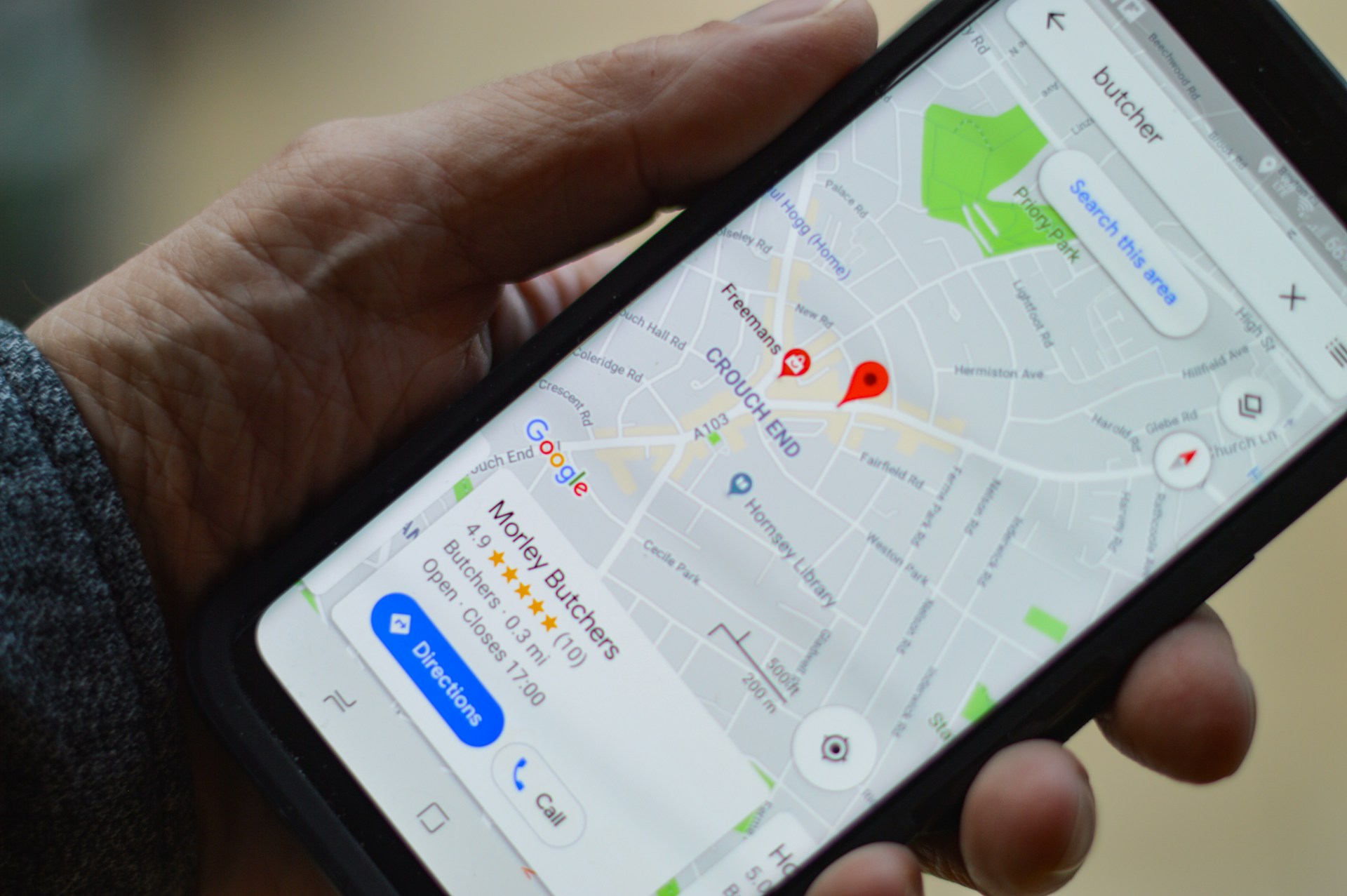
Photo by henry perks on Unsplash
22. Business Hours & Freshness
Operational accuracy plays a bigger role than many businesses realize.
Accurate business hours help search engines determine whether your business is currently available to serve customers.
Updated business information is one of the overlooked local SEO ranking factors that influence trust and visibility.
Important freshness signals include:
- Accurate business hours
- Holiday updates
- Recent posts or profile activity
Keeping your information current shows search engines that your business is active and ready to serve customers.
23. Competition & Engagement Density
Local rankings are also influenced by how competitive your area is.
In areas with many similar businesses, search engines compare multiple local SEO ranking factors at once to determine which business should appear first, including:
- Review strength
- Engagement levels
- Content relevance
- Overall authority
In highly competitive markets, businesses with stronger combined signals across prominence, relevance, and engagement are more likely to outrank others.
FAQs on local SEO ranking factors
What are local SEO ranking factors?
Local SEO ranking factors are the signals Google uses to determine which business is the best match for a searcher, including prominence, relevance, and proximity, as well as reviews, citations, content, and user engagement.
How does local SEO differ from traditional SEO?
Traditional SEO focuses on broad visibility for anyone searching anywhere, while local SEO targets nearby users and emphasizes Google Business Profile, reviews, citations, and real-world trust signals.
Why does local SEO matter for my business?
Local SEO matters because over 80% of consumers search for local businesses weekly, and nearly 76% of “near me” searches result in an in-person visit, making visibility, trust, and operational readiness critical.
How does Google determine local ranking positions?
Google ranks local businesses based on prominence, relevance, and proximity, evaluating signals like GBP completeness, reviews, citations, content engagement, behavioral data, and real-time operational activity.
What is the role of Google Business Profile in local rankings?
Your Google Business Profile is the strongest prominence signal; complete, accurate, verified, and active profiles signal trustworthiness and improve visibility in the Local Map Pack and AI summaries.
Do reviews affect local search rankings?
Yes, Google considers the number, recency, rating, and semantic content of reviews, as well as user interactions, to evaluate prominence and credibility in local search results.
How important are backlinks and citations for local SEO?
Backlinks from reputable local or industry sites act as authority endorsements, while consistent citations of your business name, address, and phone number validate legitimacy and boost prominence.
What user behaviors influence local SEO rankings?
Google monitors clicks, calls, direction requests, dwell time, and return visits; strong behavioral engagement signals relevance, authority, and satisfaction, strengthening prominence.
How does page relevance affect local SEO?
Relevance shows how closely your business matches a search query, influenced by GBP categories, attributes, website content, on-page SEO, schema markup, and localized landing pages.
How does proximity affect local search rankings?
Proximity measures how physically close your business is to the searcher, with closer locations generally ranking higher, though strong relevance and prominence can offset distance.
Will voice search influence local SEO results?
Yes, AI-driven voice search evaluates natural language, conversational context, structured business information, and entity trust to determine which businesses can meet user needs in real time.
How can I optimize my website for local SEO?
Optimize your site with fast loading pages, mobile-first layouts, clear headings, structured content, internal linking, localized landing pages, and schema markup to support Google’s AI matching.
Do business hours and responsiveness affect local ranking?
Yes, accurate hours, timely updates, and fast response times signal operational readiness and real-time trust, helping your business rank higher in local search and AI summaries.
Does schema markup help local SEO visibility?
Schema markup helps Google understand your business type, services, location, ratings, and hours, improving query matching, rich results, voice search responses, and AI recommendations.
Final Thoughts
Local search has become a real-time evaluation of how trustworthy, relevant, and active your business appears online.
Search engines are no longer looking at just one signal; they are analyzing multiple local SEO ranking factors together before deciding which businesses deserve visibility.
What this means is simple.
Businesses that keep their profiles complete, earn consistent reviews, publish helpful content, maintain accurate information, and stay active online naturally build stronger authority over time.
Those signals help search engines understand not only what your business offers, but also why customers choose you.
These local SEO ranking factors also show how modern local search works today.
Prominence builds trust, relevance helps search engines match your services to the right searches, and proximity ensures your business is considered when customers nearby are ready to take action.
When these signals are combined, strong and consistent, your business becomes easier for search engines and AI systems to recommend.
That is ultimately the goal of local SEO today.
Not just ranking higher, but becoming the most reliable option when someone searches for a service in your area.
CTA: Get our affordable local SEO service. We have a plan for your budget.
READ MORE: A SIMPLE GUIDE TO LOCAL SEO FOR SMALL BUSINESSES IN 2026 – SARMLife
Add a Comment