
It is inarguable that Africa is one continent that overflows with creativity, innovation, and ambition.
From FinTech and TechEdu startups to digital creators and coaches, a new wave of talent is emerging, eager to shape the continent’s digital future.
Yet, while this potential is undeniable, the challenges of digital education in Africa continue to hold many back from realizing that potential.
The truth is, access to quality, affordable, and practical digital education is still limited even in 2026. Many young Africans struggle to find programs that bridge the gap between learning and employment. Courses are often too expensive, too theoretical, or disconnected from real needs.
This raises an important question, one that every aspiring digital learner in Africa has asked at some point:
Why is it still so hard to learn digital skills and what can change?
And this is also the question that SARMLife Digital Skills Training (SDST 2026) was built to answer by reimagining what accessible, African-centered digital learning can look like.
RELATED BLOG POSTS
- 5 Top Digital Skills To Learn and Earn in 2026
- The SARMLife Digital Skills Training (SDST) for Africans
Challenges of Digital Education in Africa
The truth remains that Africa’s youths are hungry to learn.
From Nigeria to Kenya, Ghana to South Africa, millions are searching for ways to gain digital skills that can help them compete globally. Yet despite this growing ambition, the challenges to digital education in Africa remain a stubborn barrier between curiosity and career growth.
Here are the major challenges to digital education in Africa:
1. Limited Access to Quality Resources
Across the continent, many youths still can’t find relevant, affordable, or structured digital education.
While there are countless global courses online, most are often priced in foreign currencies which is disadvantageous for people living in a continent where the exchange rate is unfavorable.
A course priced at $100 is about #135,000 which is already above the minimum wage of workers in Nigeria.
Yet again, the hope of an aspiring student is dashed!
When a student is able to get the required fee for a course, the lessons themselves rarely reflect the African digital ecosystem; missing context around local audiences, industries, and infrastructure.
Free resources, meanwhile, can be scattered or too basic to sustain professional growth.
The result? Many Africans start learning but never finish, not from lack of interest, but from lack of access to quality and contextualized education.
2. Poor Mentorship and Career Guidance
Many learners can find information but struggle to find direction.
Without mentorship, it’s difficult to know what skill to learn first, how to apply it, or where to find real opportunities.
This isn’t just a problem of theory-based learning.
Even if you are exposed to practical teaching, there are certain experiences, feelings, and questions that can only be answered with the help of someone who has gone ahead of you in the industry.
In Africa, we have a handful of people who have been able to have the right exposure, maybe fought or struggled for it, but at the end of the day, they have gone far ahead.
Unfortunately, the majority of these qualified mentors are out of reach to upcoming learners.
This challenge to digital education in the continent creates a cycle of frustration where learners accumulate certificates but are not “job ready.”
3. The Skill-Application Gap
One of the most overlooked challenges of digital education in Africa is the gap between learning and doing.
One direct factor that influences this is the abundance of theory-based learning. Many online programs emphasize theory without hands-on experience.
I remember learning about equipment instrumentation and calibration from the whiteboard in my University. I had to rely on the powers of my imagination to learn how to calibrate an instrument I had never seen before.
When this is the level of exposure learners get, how can they apply what they learnt in real life?
Another factor that affects the skill-application gap apart from theory-based learning is the lack of opportunities. Most opportunities have a certain level of experience for each role.
If we do not provide opportunities for students to learn with a certain level of responsibility and accountability, how will they grow?
Without projects, internships, or guided practice, learners may “know” digital marketing, coding, or design but not know how to execute those skills in the real world.
Africa just doesn’t lack digital skills talent, it also lacks opportunities to apply it – especially for upcoming graduates.
4. Unstable Internet and Power Supply
Even the most motivated learner can’t study effectively when battling electricity cuts or poor connectivity.
Across many regions, unstable infrastructure continues to limit progress. The cost of mobile data and the unreliability of internet access make consistent learning difficult, especially for those in rural or underdeveloped areas.
I currently use three different network providers all in a bid to ensure I am not stranded when I need stable network connectivity. Despite this, I still experience bad connectivity sometimes when coaching students.
I’d have to apologize, and reboot, and try other means to get connected.
Aside from network connectivity, the unstable power supply also makes work tedious. To avoid this, you need to look for alternative sources of power. I have two different power banks, two generators, and I am currently contemplating getting a power bank for my laptop.
I remember how I would leave my house to town to look for a shop with solar power just so I could meet deadlines.
It really shouldn’t be that hard.
This challenge to digital education in Africa might not apply to all African countries, but it is still relatable to all Africans.
If connectivity determines who learns and who doesn’t, the digital divide will only deepen.
5. Mindset and Awareness Barriers
Beyond infrastructure and access, mindset remains a silent barrier.
Many Africans still see digital careers as “unrealistic” or “foreign.” Parents often encourage traditional jobs over digital ones, unaware that careers in SEO, content creation, data analytics, and AI are among the fastest-growing in the world.
Some learners also face internal barriers like fear of failure, imposter syndrome, or the belief that global success isn’t achievable from Africa.
Changing this mindset requires visibility: seeing Africans who have learned digital skills and built thriving careers through them.
Representation inspires belief and belief drives action.
6. Inconsistent Learning Environments
Anothe problem with digital education in Africa is that many learners face interruptions that prevent consistency like unstable schedules, work demands, financial struggles, or lack of quiet study spaces.
Without structured timelines, accountability systems, or peer support, learners often lose motivation midway through their digital journey.
What’s missing is a training model that balances flexibility with structure. A model created and designed to fit the realities of African life while not compromising on commitment and excellence.
7. Lack of Career Pathways and Recognition
Even after learning, many Africans face another obstacle: what next?
There’s often no clear pipeline connecting digital training to internships, clients, or full-time jobs. Employers may also undervalue skills gained through informal learning because of inconsistent certification standards across Africa.
Without stronger bridges between learning and employment, many skilled individuals remain unseen and under-utilized.
These challenges of digital education in Africa are not signs of weakness, they’re signs of untapped potential.
Africa’s youths are ready to lead the next digital revolution; what they need are systems that make learning accessible, practical, and empowering.
That’s exactly the vision behind SARMLife Digital Skills Training (SDST 2026)
How SDST Is Changing the Narrative
SARMLife Digital Skills Training (SDST 2026) is hoping to create a positive change and mitigate some of these challenges to digital education in Africa.
SDST 2026 was created to make learning digital skills easy to access, practical, and relevant to Africans everywhere. It’s not just another online course; it’s a training experience that truly prepares people for real opportunities.
Here’s how SDST 2026 is trying to mitigate the challenges of digital education in Africa:
1. Affordable and Designed for Africans
Most digital courses are too expensive or don’t reflect Africa’s realities. SDST 2026 is different in that it offers affordable, structured learning that fits African learners. The lessons and projects are designed with local examples, helping learners understand how to apply digital skills in their own environment.
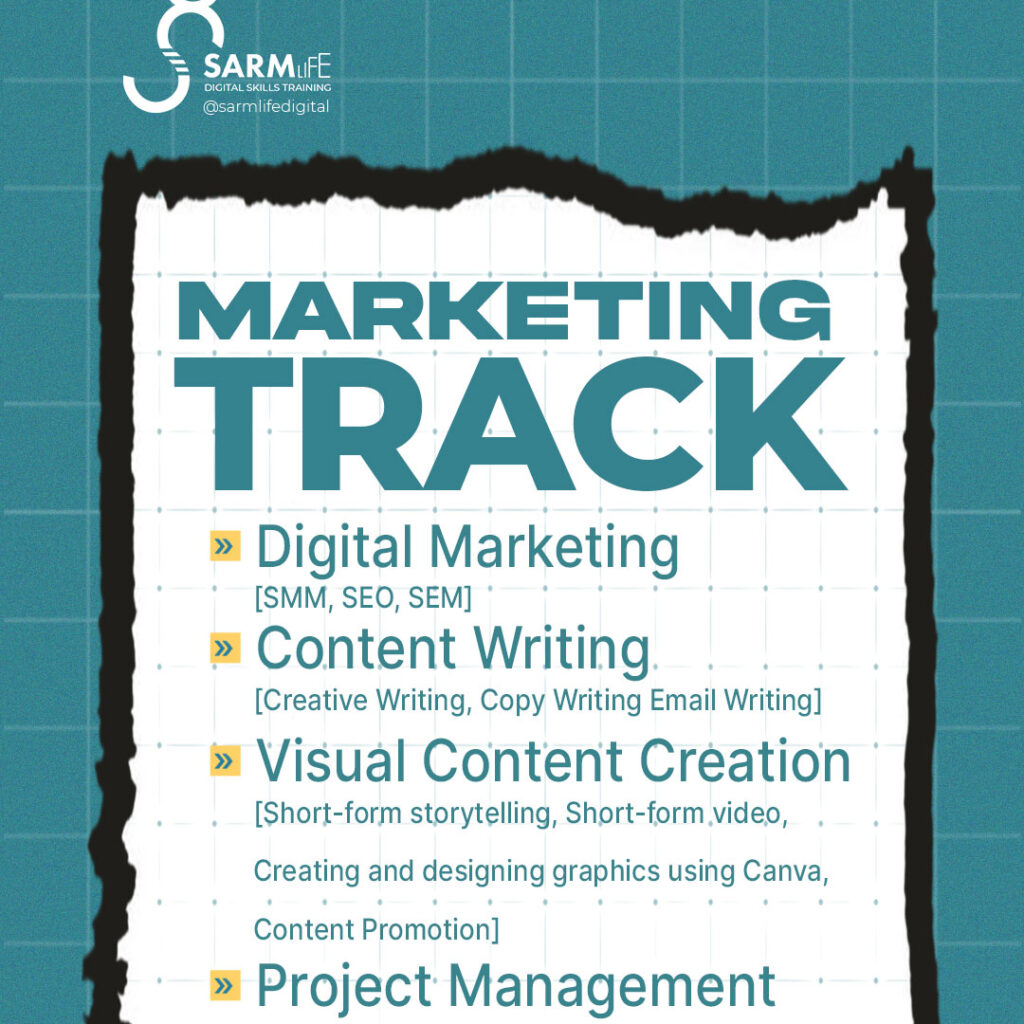
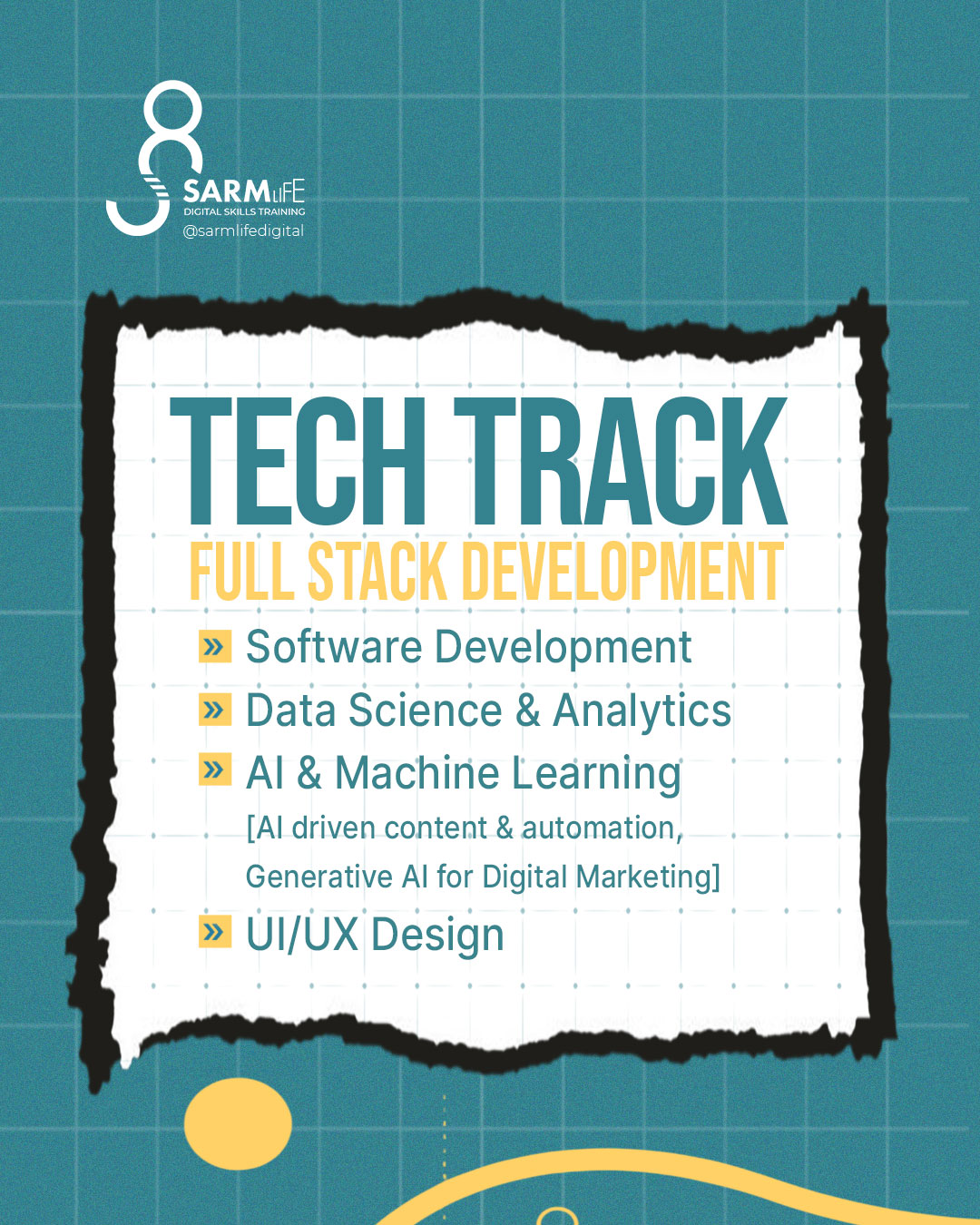
The SDST 2026 is priced at just #25,000 (twenty-five thousand naira) with access to two learning tracks and 9 courses.
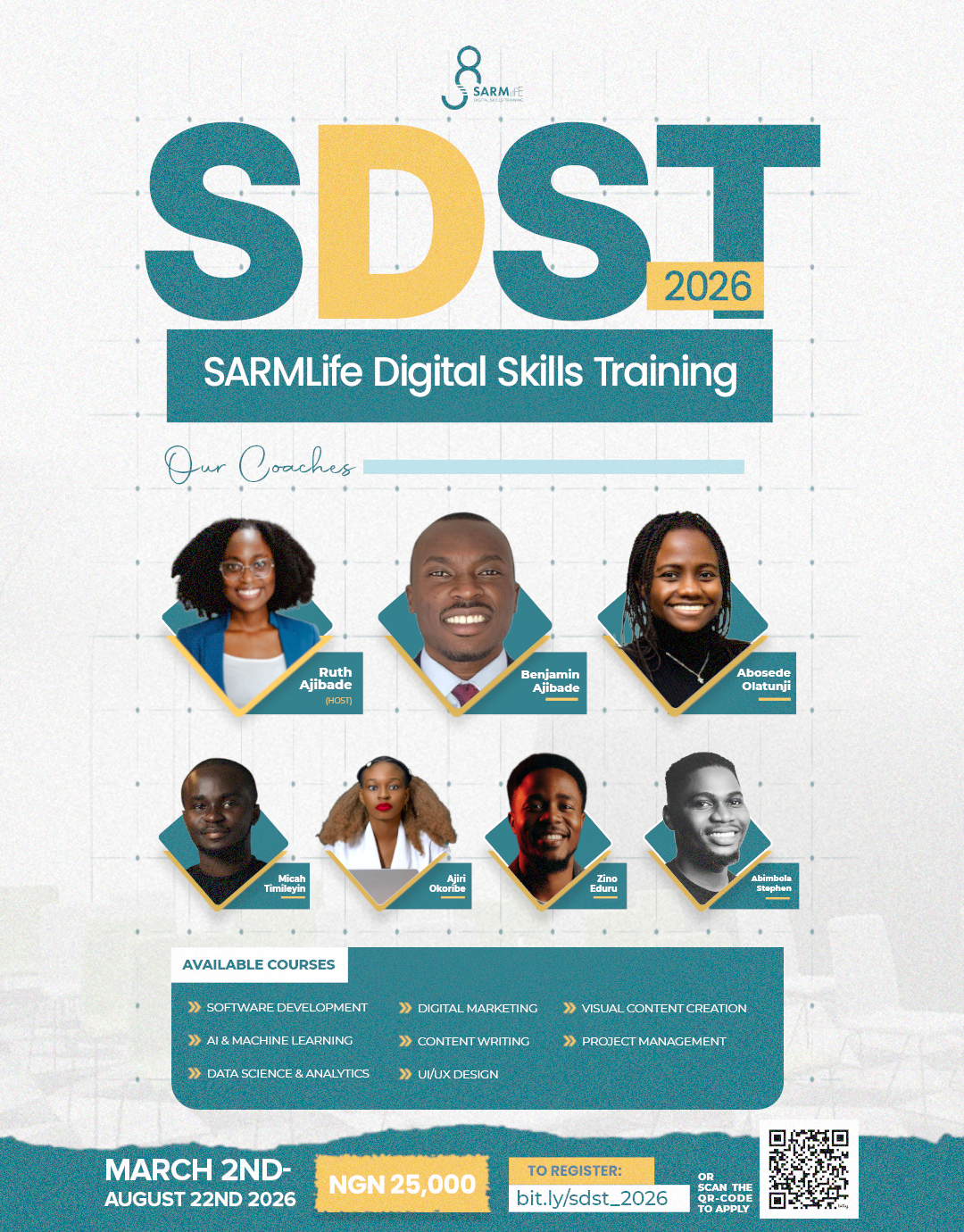
Learning shouldn’t be out of reach. SDST makes it possible for everyone.
2. Practical Training That Leads to Real Work
At SDST 2026, learners don’t just study, they practice.
Every course includes projects that help participants apply what they’ve learned right away.
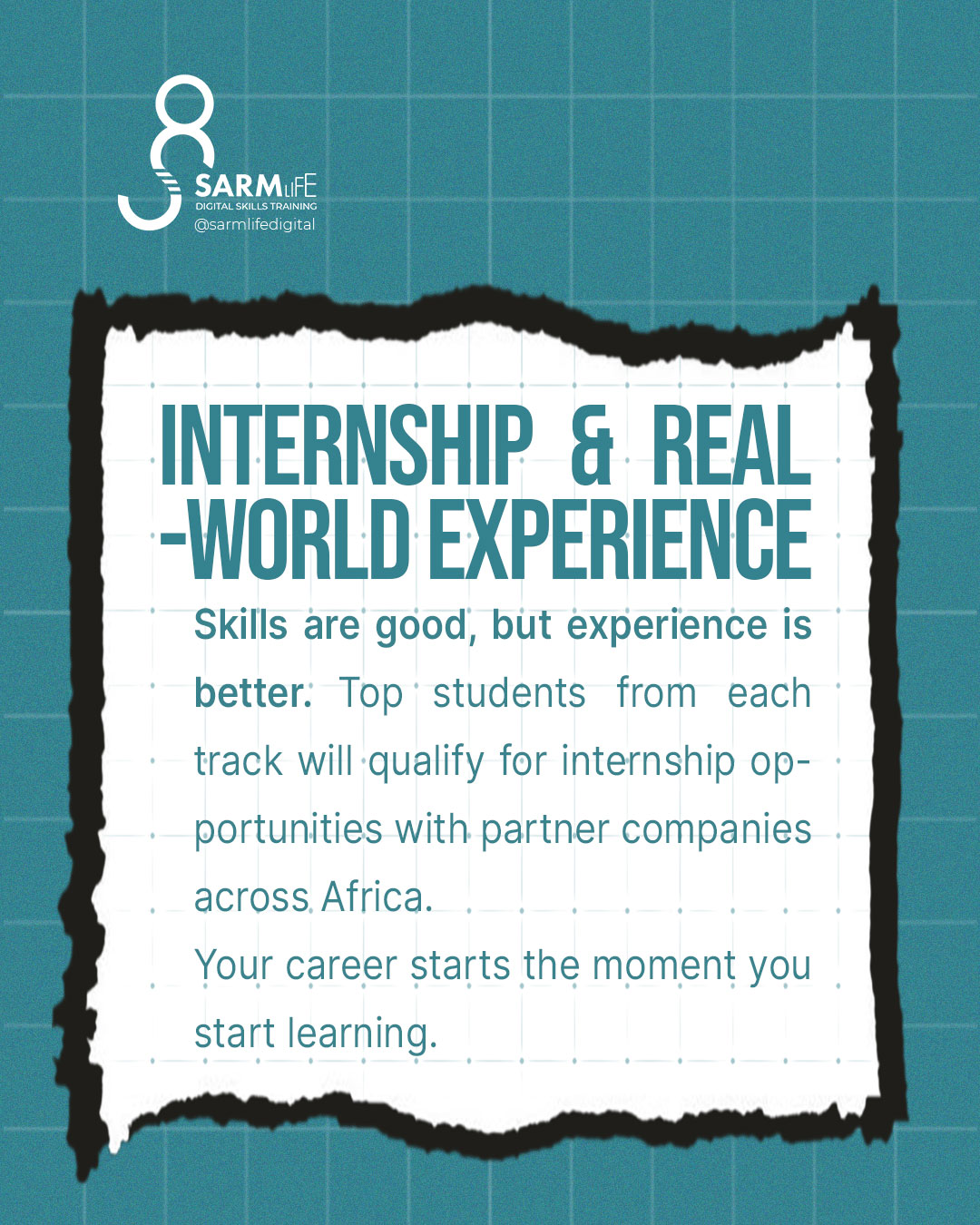
By the end of the program, learners have real portfolios and experience, not just certificates. This makes it easier to find freelance work, get hired, or start personal projects.
SDST focuses on results, not just lessons.
3. Mentorship That Guides and Inspires
One of the biggest gaps in Africa’s learning space is mentorship.
SDST 2026 fills that gap by connecting learners with African professionals who understand their journey.
These mentors help learners stay focused, build confidence, and see how their new skills can fit into real careers.
At SDST, you don’t learn alone, you learn with people who believe in you.
4. Inclusive and Community-Driven Learning
SDST 2026 is built for everyone — regardless of background, gender, or where you live.
It gives young Africans access to the same opportunities as anyone else in the digital world.
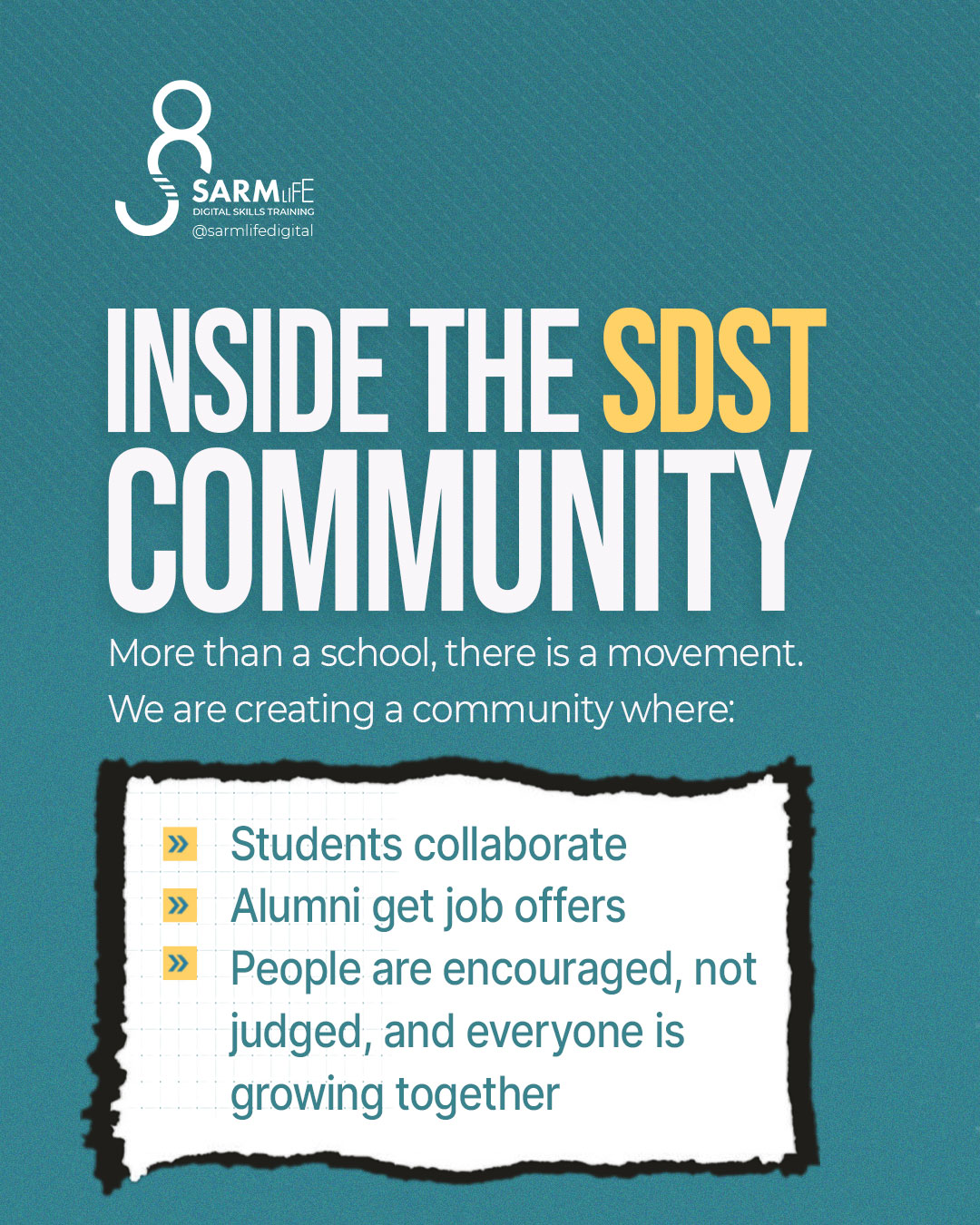
Through its growing network of mentors, alumni, and online communities, SDST helps learners connect, collaborate, and find new career paths.
Real Impact from SDST
During SDST 2025, hundreds of young Africans joined from different countries to learn digital skills and prepare for future opportunities. By the end of the program, many participants had not only gained new knowledge but had also used it to build something real.
From SDST 2021, some learners started freelance work in areas like content creation, SEO, and social media management. Others used their skills to land internships and remote jobs. A few even launched small digital businesses or began mentoring new learners in their communities.
“Before SDST, I didn’t know where to start,” one participant shared. “Now, I manage digital marketing projects for clients across Africa.”
Their stories show that when Africans are given the right tools, structure, and support, they thrive.
Each year, SARMLife improves the program by learning from participants, making every new edition, including SDST 2026, even more effective and impactful. The goal is simple: to help more people move from learning to earning, from uncertainty to opportunity.
Final Thoughts
Yes, access is limited.
Yes, mentorship and guidance are still hard to find.
But as programs like SARMLife Digital Skills Training (SDST 2026) continue to grow, the future is becoming brighter for thousands of young Africans.
Every skill learned, every mentor connection made, and every story of success is proof that progress is possible, one learner at a time.
Because in the end, a single skill can change your life.
So, if you’ve ever wondered where to start your digital journey, the answer is here. Start small. Learn one skill. Join a community that believes in your potential. And take your place in Africa’s growing digital story.
Be part of the next wave of digital transformation. Join SDST 2026 today.
READ MORE: SARMLife DIGITAL SKILLS TRAINING 2026 | BUILD FUTURE-READY SKILLS
Add a Comment